

What Is the Best Golf Mat for Joint Pain Relief?
The best golf mat for joint pain combines thick cushioning, shock absorption, and proper surface alignment to reduce impact stress on knees, hips, and ankles. High-quality mats like those featuring premium foam layers and dual-compound bases distribute your weight evenly during the swing, minimizing joint strain. A mat with at least 1.5 inches of cushioning and a non-slip base protects vulnerable joints while maintaining swing mechanics. Many golfers with joint pain report significant relief when using mats with memory foam or gel-infused cushioning technology. Choosing the right mat is essential for maintaining your golf routine without exacerbating pain or injury.
Joint pain during golf practice stems from repetitive impact, poor shock absorption, and inadequate surface support. Hard concrete, tile, or thin mats force your body to absorb all the force from your swing through your joints. A proper golf mat acts as a buffer, reducing stress on weight-bearing joints by up to 40 percent during practice sessions. This protection allows you to practice longer, improve your swing, and enjoy the game pain-free. The investment in a quality mat pays dividends for golfers of all ages, especially those with arthritis, tendinitis, or previous joint injuries.
Key Takeaway: A premium golf mat with 1.5+ inches of cushioning and shock-absorbing technology is essential for protecting joints during practice.
How Do Cushioning Materials Affect Joint Impact?
Cushioning materials directly determine how much impact reaches your joints during each swing. Dense foam layers absorb shock waves before they travel up your legs and spine. Memory foam conforms to your body weight, distributing pressure evenly across the mat surface. Gel-infused cushioning provides targeted support while maintaining responsiveness for proper swing feedback. The thickness and density of these materials work together to create an optimal balance between protection and performance.
Top Cushioning Materials for Joint Protection
- Memory foam: Absorbs impact and adapts to your weight distribution over time.
- Gel-infused foam: Provides cooling properties while maintaining shock absorption capabilities.
- Dual-layer construction: Combines stiff base with soft top layer for stability and comfort.
- EVA foam: Lightweight, durable, and offers consistent cushioning throughout the mat’s lifespan.
- Rubber compounds: Natural shock absorption with excellent durability and weather resistance.
Thicker mats generally provide better cushioning, but quality matters more than size alone. A 1.5-inch premium mat outperforms a 2-inch budget mat in joint protection. The base layer should be firm enough to prevent excessive sinking, which can throw off your swing mechanics and create instability. Look for mats with compression ratings between 20-30 pounds per square inch for optimal joint support without sacrificing swing feedback.
Key Takeaway: Memory foam and gel-infused cushioning provide superior joint protection compared to basic foam alternatives.
What Features Should You Look for in a Joint-Friendly Golf Mat?
Several key features distinguish mats designed for joint protection from standard practice mats. Surface texture affects traction and stability during your stance. Non-slip bases prevent sliding that can strain ankles and knees. Proper alignment markers help you maintain correct posture, reducing compensatory joint stress. Durable construction ensures consistent cushioning over months of regular use. Size and portability matter if you plan to move your mat between locations.
Essential Features for Joint Pain Relief
- Minimum 1.5-inch cushioning thickness for adequate shock absorption and joint protection.
- Non-slip rubber base prevents foot sliding and ankle strain during the swing.
- Alignment guides help maintain proper stance and reduce postural stress on joints.
- Durable top surface resists wear from repeated ball impacts over extended use.
- Portable design allows you to practice at home, the range, or outdoors conveniently.
- Waterproof materials protect the mat and extend its functional lifespan significantly.
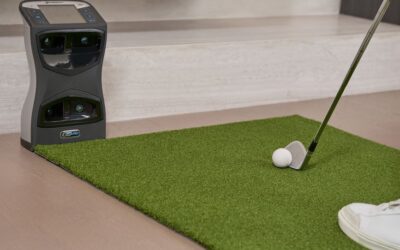
Indoor golf simulators benefit from mats with specific features that complement launch monitor technology. If you’re using an Uneekor Eye Mini Lite Indoor Setup, choose a mat that doesn’t interfere with ball detection. Some mats include built-in hitting zones that guide your ball placement for consistent launch monitor readings. The mat’s surface firmness should allow proper weight transfer without excessive cushioning that masks swing flaws.
Consider your practice frequency when selecting mat thickness and cushioning density. Casual golfers practicing 2-3 times weekly need basic protection, while daily practice demands premium cushioning. Professional golfers and serious amateurs benefit from mats mimicking natural turf feedback while protecting joints during high-volume practice sessions.
Key Takeaway: Look for mats with 1.5+ inches of cushioning, non-slip bases, alignment guides, and durable surfaces for maximum joint protection.
How Can You Reduce Screen Bounce and Joint Impact During Indoor Practice?
Indoor golf practice introduces additional joint stress from screen bounce and improper mat setup. The mat’s interaction with your launch monitor and impact screen affects both ball flight accuracy and your body’s physical stress. Proper mat positioning minimizes vibration transmission to your joints. Combining the right mat with correct screen setup creates an optimal environment for pain-free practice. For detailed guidance on this topic, see our complete How to Reduce Golf Screen Bounce Back in 2026: Complete Setup Guide.
Optimizing Mat Setup for Joint Protection
- Position the mat 6-8 feet from your impact screen to minimize vibration transfer to your body.
- Use a firm base layer underneath to prevent excessive mat movement during the swing.
- Ensure proper ball placement on the mat’s hitting zone for consistent launch monitor readings.
- Check mat alignment weekly to maintain proper stance and reduce compensatory joint stress.
- Consider adding additional cushioning layers if you experience persistent joint pain during practice.
The mat’s surface interaction with your launch monitor affects more than just data accuracy. Excessive mat movement can cause you to adjust your swing mechanics, creating additional stress on joints. A stable mat foundation allows your body to focus on proper swing mechanics rather than compensating for surface instability. This stability directly translates to reduced joint pain and improved long-term practice outcomes.
Key Takeaway: Proper mat positioning and firm base support minimize vibration and joint stress during indoor golf practice.
What Practical Steps Should You Take to Protect Your Joints While Practicing?
Selecting the right mat is just one component of joint-friendly golf practice. Your warm-up routine, swing mechanics, and overall practice habits significantly impact joint health. Combining mat selection with proper technique creates a comprehensive approach to pain-free golf practice. These practical steps work together to protect your joints while improving your game.
Complete Joint Protection Strategy
- Invest in a premium golf mat with at least 1.5 inches of memory foam or gel-infused cushioning.
- Warm up for 10 minutes before practice with light stretching and easy swings at 50% intensity.
- Focus on proper swing mechanics to avoid compensatory movements that stress joints.
- Limit practice sessions to 45-60 minutes initially, gradually increasing as your joints adapt.
- Use a pressure plate system like those discussed in our Why Golf Pressure Plate Weight Shift Matters in 2026: Complete Guide to ensure proper weight distribution.
- Apply ice to sore joints for 15 minutes after practice to reduce inflammation.
- Maintain consistent core strength through off-course exercises to support joint stability.
Your swing mechanics directly impact joint stress during practice. A proper weight shift distributes force evenly through your body rather than concentrating it in one joint. Incorporating The Stack System Speed Training App in 2026: Complete Guide to Golf Performance into your practice routine helps you develop efficient swing mechanics that protect joints. Apps and training systems provide real-time feedback on your movement patterns, allowing you to adjust before creating pain.
Recovery practices are equally important as practice itself. Stretching after each session maintains flexibility and reduces muscle tension that contributes to joint stress. Cross-training with low-impact activities like swimming or cycling strengthens supporting muscles without stressing joints. Adequate sleep allows your body to repair damage from practice sessions. These habits combined create an environment where your joints can handle regular golf practice without pain or injury.
Key Takeaway: Combine a quality mat with proper warm-up, mechanics focus, and recovery practices for comprehensive joint protection.
How Do You Choose the Right Golf Mat Size and Portability?
Mat size and portability depend on your practice location and frequency. Home golfers with dedicated practice spaces can accommodate larger mats offering more hitting area. Golfers who practice at multiple locations need portable mats that pack down and set up quickly. Standard mats range from 4 feet by 5 feet to 5 feet by 8 feet, with larger sizes providing more comfort but requiring more storage space. Your specific needs determine the ideal mat dimensions.
Size and Portability Considerations
- 4×5 feet: Compact size fits small spaces; ideal for apartment dwellers and limited budgets.
- 5×5 feet: Standard size balances hitting area with reasonable portability and storage needs.
- 5×8 feet: Premium size offers maximum comfort and hitting area for dedicated practice spaces.
- Rollable mats: Easy storage and transport for golfers practicing at multiple locations.
- Foldable designs: Compact when stored but maintain full cushioning when deployed.
If you’re setting up an indoor golf simulator, your mat size should complement your space and launch monitor. The mat should provide adequate hitting area for consistent ball placement while fitting comfortably in your room. Most indoor setups work best with 5×5 or 5×8 foot mats that allow proper stance width and follow-through without hitting walls or equipment.
Key Takeaway: Choose mat size based on your practice location and frequency; larger mats offer more comfort for dedicated spaces.
Frequently Asked Questions
What thickness of golf mat is best for joint pain relief?
A minimum of 1.5 inches of cushioning is recommended for effective joint pain relief. Thicker mats (2+ inches) provide additional cushioning but may reduce swing feedback. The quality of cushioning materials matters more than thickness alone. Premium 1.5-inch mats often outperform budget 2-inch alternatives in joint protection and performance.
Can a golf mat help with knee pain specifically?
Yes, a proper golf mat significantly reduces knee pain by absorbing impact forces before they reach the knee joint. Memory foam and gel-infused cushioning are particularly effective for knee pain relief. The mat should have a firm base to prevent excessive knee bending during your stance. Combined with proper swing mechanics, a quality mat can eliminate knee pain during practice.
How often should you replace your golf mat?
Quality golf mats typically last 3-5 years with regular use before cushioning degrades significantly. Signs of wear include visible surface damage, reduced shock absorption, and visible indentations. Heavy users practicing daily may need replacement every 2-3 years. Proper maintenance and storage extend mat lifespan considerably.
Are expensive golf mats worth the investment for joint pain?
Premium golf mats justify their cost through superior cushioning materials, durability, and joint protection. Budget mats often fail to provide adequate shock absorption, defeating the purpose of mat use. Investing in a quality mat prevents injury and allows pain-free practice, ultimately saving money on medical treatment and missed practice time.
Can you use a golf mat outdoors?
Many golf mats work outdoors, but weather-resistant materials are essential for longevity. Rubber-based mats with waterproof cushioning handle outdoor conditions better than foam-only designs. UV exposure degrades some materials over time, so covering the mat when not in use extends its lifespan. Outdoor use may require more frequent replacement than indoor practice.
What’s the difference between golf mats and yoga mats for joint protection?
Golf mats are specifically designed for the impact forces and repetitive stress of golf swings. Yoga mats lack the firm base layer needed for proper weight distribution during swings. Golf mats typically offer thicker, more durable cushioning than yoga mats. Using a proper golf mat provides superior joint protection compared to repurposing yoga or exercise mats.
Should You Invest in a Premium Golf Mat for Joint Pain in 2026?
Investing in a quality golf mat is one of the best decisions you can make for long-term joint health and golf enjoyment. The cost of a premium mat is minimal compared to medical expenses, physical therapy, and lost practice time from joint injuries. A proper mat protects your knees, hips, ankles, and lower back while allowing you to practice consistently without pain. Whether you practice at home, indoors with a simulator, or at the range, the right mat makes an immediate difference in how you feel during and after practice.
The market offers numerous options at various price points, making quality joint-friendly mats accessible to most golfers. Combining a premium mat with proper warm-up routines, correct swing mechanics, and adequate recovery practices creates a comprehensive approach to pain-free golf. Your joints will thank you for the investment, and your game will improve as you practice more comfortably. Start with a mat that meets the cushioning and feature requirements outlined in this guide, and you’ll experience immediate relief from joint pain during practice.
Key Takeaway: A premium golf mat is a worthwhile investment that protects your joints, enables consistent practice, and improves your overall golf experience.





Write Your Review
No reviews yet. Be the first to share your experience!