

What’s the Difference Between Stack System and Rypstick in 2026?
Stack System and Rypstick are two leading golf speed training platforms competing for golfers’ attention in 2026. Stack System uses app-based swing analysis with motion capture technology. Rypstick relies on weighted club training combined with digital feedback. Both claim to increase clubhead speed and improve swing mechanics. Understanding their core differences helps you choose the right tool for your game. Stack System emphasizes data-driven performance tracking. Rypstick focuses on physical training through progressive weight increments. Neither is universally superior—success depends on your learning style, budget, and commitment level. This comparison breaks down features, pricing, effectiveness, and user experience to guide your decision.

The golf training equipment market has exploded since 2024. Golfers now expect integrated technology, app connectivity, and measurable progress tracking. Stack System and Rypstick both deliver these features, but through different methodologies. Stack System targets golfers who prefer data visualization and detailed swing metrics. Rypstick appeals to those seeking tactile, equipment-based training with instant feedback. Both systems have strong followings among serious amateur and semi-professional golfers. Your choice ultimately depends on whether you prefer app-driven analytics or physical training equipment.
How Does Stack System Work as a Training Platform?
Stack System is a comprehensive golf performance app launched by Stack Golf. It uses smartphone or tablet motion capture to analyze your swing in real time. The system breaks down your swing into key positions and measures metrics like club speed, swing plane, and tempo. You film your swing from a fixed angle, and the app provides instant feedback with overlay comparisons. This approach eliminates the need for expensive launch monitors or outdoor range sessions. The app stores all your data, allowing you to track progress over weeks and months. Stack System’s strength lies in accessibility and affordability compared to traditional coaching tools.
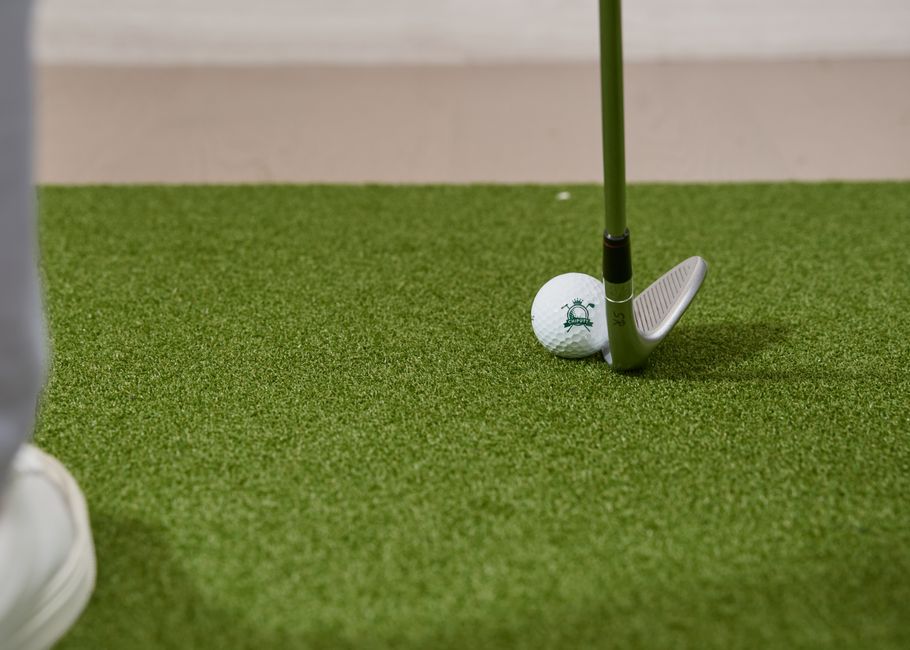
The Stack System app connects to your smartphone camera without requiring additional hardware beyond your phone. This makes it ideal for practice at home, the range, or even during rounds. The interface displays swing metrics clearly, showing club speed, face angle, and path data. You can compare your swing to professional golfers’ swings side-by-side.
Stack System Key Features and Capabilities
- Motion capture technology using your phone’s camera—no sensors required.
- Real-time swing metrics including clubhead speed and swing plane analysis.
- Overlay comparison tool to match your swing against pro golfers.
- Detailed practice session history and progress tracking dashboard.
- Subscription-based model with monthly or annual pricing options.
- Works indoors or outdoors with adequate lighting.
Key Takeaway: Stack System offers affordable, tech-forward swing analysis without purchasing hardware, making it accessible for most golfers.
How Does Rypstick Deliver Speed Training Results?
Rypstick is a weighted club training system designed to build clubhead speed through progressive resistance training. The system includes multiple weighted clubs that you swing during practice sessions. Unlike Stack System, Rypstick is physical equipment you hold and swing. The clubs range in weight, starting lighter and progressing heavier. This progressive overload principle mirrors strength training in other sports. Rypstick’s philosophy is that swinging heavier clubs trains your muscles to generate more speed. Once you return to your normal club, your swing feels faster and more powerful. This method has roots in baseball bat training and similar sports performance protocols.
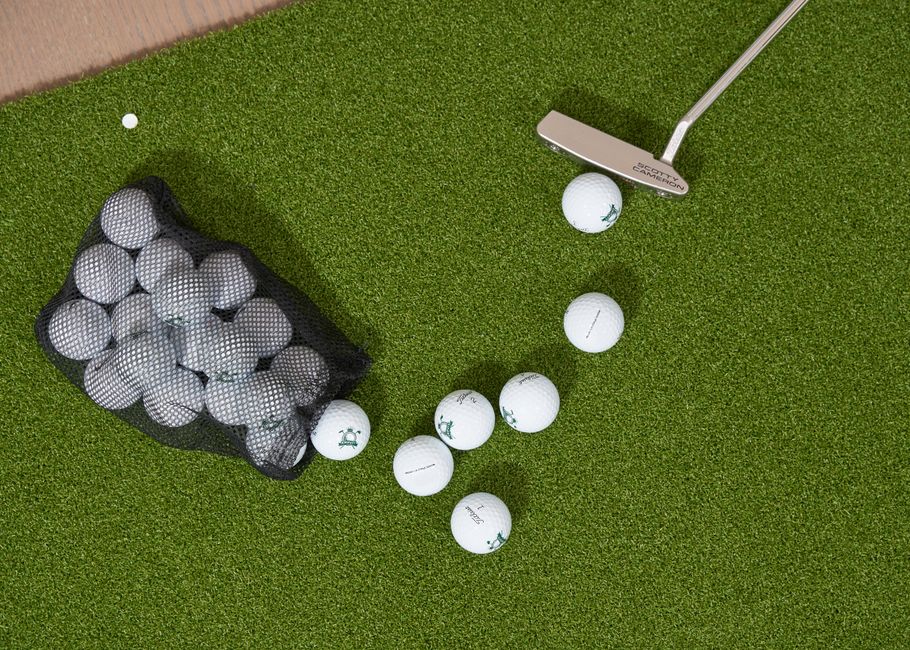
Rypstick clubs are designed to feel similar to standard golf clubs, maintaining proper weight distribution and balance. The system includes a companion app that tracks your swing data and workout sessions. Users report noticeable speed gains within 4 to 8 weeks of consistent training. The physical nature of Rypstick appeals to golfers who prefer tangible training equipment over digital-only solutions.
Rypstick Training Components and Structure
- Multiple weighted clubs ranging from lighter to heavier than standard clubs.
- Progressive resistance training protocol spanning 4 to 12 weeks.
- Companion app tracks workout sessions and swing metrics over time.
- Designed for home or range practice with minimal space requirements.
- Emphasis on muscle memory and neuromuscular adaptation.
- Includes instructional videos and training schedules within the app.
Key Takeaway: Rypstick builds speed through weighted club training, appealing to golfers who prefer physical training equipment combined with app-based tracking.
How Do Stack System and Rypstick Compare in Speed Gains?
Both systems claim measurable clubhead speed improvements, but the mechanisms differ significantly. Stack System doesn’t directly increase speed—it analyzes and optimizes your existing swing mechanics. Users often gain 3 to 8 miles per hour through improved efficiency and better sequencing. Stack System works by helping you understand your swing flaws and correct them. Rypstick claims 8 to 15 miles per hour speed gains through weighted club training over 8 to 12 weeks. These gains come from building swing speed muscles and neuromuscular patterns. Real-world results vary based on starting fitness level, training consistency, and individual physiology.
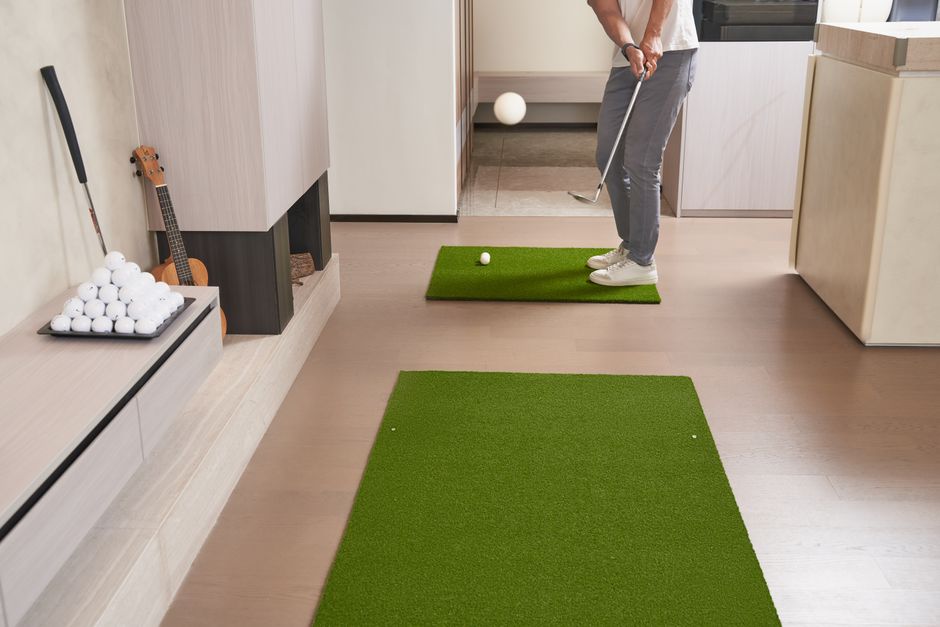
Research on weighted club training shows mixed but generally positive results. A study on resistance training in golf indicates that progressive overload can increase swing speed when combined with proper form. Stack System’s data-driven approach appeals to golfers seeking understanding of their mechanics. Rypstick’s physical training suits those seeking tangible equipment and measurable strength gains. Neither guarantees specific speed improvements—individual results depend on effort and consistency.
Speed Gain Comparison Chart
- Stack System: 3-8 mph gains through swing optimization and mechanical corrections.
- Rypstick: 8-15 mph gains through weighted club resistance training.
- Timeline: Stack System shows results in 2-4 weeks; Rypstick requires 8-12 weeks.
- Consistency Factor: Both require regular practice—3 to 5 sessions weekly for optimal results.
Key Takeaway: Rypstick typically delivers larger speed gains, but Stack System offers faster feedback on swing mechanics.
What Are the Pricing and Value Differences Between These Systems?
Stack System operates on a subscription model with monthly and annual plans available in July 2026. Monthly subscriptions typically cost $15 to $20, while annual plans range from $150 to $180. This makes Stack System highly affordable for most golfers. There are no upfront equipment costs beyond your smartphone. The subscription includes unlimited swing analysis, progress tracking, and access to all app features. This low barrier to entry appeals to golfers testing speed training for the first time.

Rypstick requires an upfront equipment investment of $300 to $500 depending on the bundle selected. The system includes multiple weighted clubs, a training guide, and app access. Once purchased, there are no recurring subscription fees, though the app may offer premium features for additional cost. The higher initial investment makes Rypstick a bigger commitment. However, equipment ownership means long-term access without ongoing payments. For serious golfers planning extended training, Rypstick’s one-time cost may offer better long-term value.
Cost Breakdown and Value Analysis
- Stack System Initial Cost: $0; Monthly Subscription: $15-$20; Annual: $150-$180.
- Rypstick Initial Cost: $300-$500; Monthly Subscription: $0 (optional premium features).
- 12-Month Stack System Cost: $180-$240 if paid monthly; $150-$180 if annual plan.
- Rypstick Break-Even: Equipment pays for itself after 18-30 months of consistent use.
- Best Value for Casual Golfers: Stack System due to low entry cost and flexibility.
- Best Value for Serious Golfers: Rypstick if planning 1+ year of training commitment.
Key Takeaway: Stack System offers lower upfront cost; Rypstick provides better long-term value for committed golfers.
Which System Works Better for Different Golfer Types?
Stack System suits golfers prioritizing swing mechanics and data analysis. If you enjoy understanding your swing through detailed metrics and comparing yourself to pros, Stack System delivers. It works well for golfers with limited space or those preferring home-based training. The app-first approach appeals to tech-savvy golfers comfortable with smartphones and digital feedback. Stack System excels for golfers seeking coaching insights without hiring a professional instructor. It’s ideal for beginners and intermediate golfers building fundamental swing knowledge.
Rypstick appeals to golfers seeking direct, measurable speed improvements through physical training. If you prefer holding equipment and feeling the training effect, Rypstick resonates with you. It suits golfers comfortable with strength-training principles and progressive overload. Rypstick works well for competitive golfers chasing maximum distance and power gains. The system appeals to golfers with prior strength training experience who understand resistance principles. It’s ideal for intermediate to advanced golfers seeking performance optimization.
Golfer Profile Matching
- Choose Stack System if: You want swing analysis, prefer app-based learning, have limited budget, or enjoy detailed metrics.
- Choose Rypstick if: You want speed gains, prefer physical equipment, have space for clubs, or enjoy strength training.
- Consider Both if: You want comprehensive training combining mechanics analysis and speed building.
- Stack System Best For: Beginners, casual golfers, mechanics-focused players, budget-conscious golfers.
- Rypstick Best For: Competitive golfers, distance seekers, strength-training enthusiasts, committed practitioners.
Key Takeaway: Choose Stack System for mechanics and data; choose Rypstick for speed and physical training.
What Does the User Experience and Interface Look Like?
Stack System’s interface is clean and intuitive, designed for smartphone and tablet use. The app guides you through filming your swing with on-screen positioning cues. After recording, the app instantly displays metrics with visual overlays showing club path and face angle. The dashboard organizes your session history chronologically, making it easy to track progress. Color-coded feedback (green for good, yellow for needs work, red for problems) helps beginners understand metrics quickly. The comparison tool overlays your swing against pro golfers, providing visual learning. Overall, Stack System prioritizes user-friendliness and accessibility.
Rypstick’s app is more workout-focused, resembling fitness training software. It guides you through prescribed training sessions with warm-up, work sets, and cool-down phases. The app tracks your swing count, rest periods, and workout completion. Progress charts show speed gains over weeks and months. The interface includes instructional videos demonstrating proper technique with each weighted club. Rypstick’s design emphasizes structured training protocols rather than casual analysis. The app feels like a personal trainer guiding your sessions.
Key Takeaway: Stack System prioritizes swing analysis interface; Rypstick emphasizes structured workout guidance.
How Do These Systems Integrate with Other Golf Training Tools?
Stack System integrates with some launch monitors and golf tracking apps, though compatibility varies. The app can import data from certain devices, creating a more comprehensive training picture. However, Stack System is primarily a standalone tool. Integration is limited compared to some competitors. You can export data and share swing videos with coaches or friends. The ecosystem around Stack System is growing but remains smaller than some competitors.
Rypstick similarly operates as a standalone system with limited third-party integration. The app tracks your training sessions independently without connecting to other golf software. Some users combine Rypstick training with separate launch monitor sessions at ranges. This dual-tool approach requires manual data tracking across platforms. Neither system excels at ecosystem integration, making them complementary tools rather than all-in-one solutions. If you use multiple training aids, you’ll manage separate data streams for each.
For comprehensive training, consider pairing either system with a launch monitor or professional coaching. Learn more about Stack System integration options in our detailed guide. Compare other training aids to build your complete training arsenal.
Key Takeaway: Both systems work as standalone tools with limited third-party integration capabilities.
What Are the Practical Steps to Choose Between Stack System and Rypstick?
Making the right choice requires honest assessment of your goals, budget, and training style. Follow these steps to evaluate which system suits your needs best in July 2026.
Decision-Making Process
- Step 1 – Define Your Primary Goal: Do you want swing mechanics improvement or pure speed gains? Stack System targets mechanics; Rypstick targets speed.
- Step 2 – Assess Your Budget: Can you commit to ongoing subscription costs or prefer one-time equipment purchase? Stack System is cheaper monthly; Rypstick has lower long-term cost.
- Step 3 – Evaluate Available Space: Do you have room for multiple weighted clubs? Rypstick requires storage; Stack System needs only your phone.
- Step 4 – Consider Your Learning Style: Do you prefer data visualization or physical training? Stack System is visual; Rypstick is tactile.
- Step 5 – Check Your Commitment Level: Can you train 3-5 times weekly for 8+ weeks? Both require consistency; Rypstick demands longer commitment for results.
- Step 6 – Try Before Buying: Stack System’s low cost allows testing; Rypstick offers trial periods through some retailers.
Quick Decision Matrix
- Want mechanics analysis and affordable testing? Choose Stack System.
- Want maximum speed gains and physical training? Choose Rypstick.
- Want both mechanics and speed training? Consider using both systems sequentially.
- Have limited budget and space? Stack System is the clear choice.
- Have space, budget, and serious goals? Rypstick delivers higher speed potential.
Key Takeaway: Define your primary goal and budget before choosing between these complementary but different systems.
Frequently Asked Questions
Can I use Stack System and Rypstick together for better results?
Yes, many golfers use both systems sequentially or simultaneously. Start with Stack System to optimize your swing mechanics, then add Rypstick for speed training. This combination addresses both efficiency and power. Using both requires more time commitment but delivers comprehensive training. However, ensure you maintain proper form during Rypstick training, using Stack System’s feedback to verify technique.
How long before I see results from Stack System?
Stack System provides immediate swing analysis feedback, but measurable speed improvements typically appear within 2-4 weeks of consistent practice. Results depend on how actively you implement the app’s recommendations. Most golfers see 3-8 miles per hour speed gains through mechanical improvements. Faster feedback helps you correct errors immediately, accelerating progress. Dedication to practice sessions determines your timeline for results.
Does Rypstick work for golfers with slower swing speeds?
Yes, Rypstick includes lighter weighted clubs designed for golfers of all strength levels. Beginners and slower-speed golfers start with lighter clubs and progress gradually. The progressive resistance approach accommodates various fitness levels. Seniors and golfers with limited strength can still benefit from Rypstick’s training protocol. However, you may see smaller absolute speed gains compared to stronger golfers, though percentage improvements are often similar.
Which system requires less time commitment?
Stack System requires less time commitment overall. You can analyze swings during regular practice sessions without dedicated training time. Quick 10-minute analysis sessions provide feedback. Rypstick requires structured 20-30 minute training sessions, 3-5 times weekly, for 8-12 weeks. If time is limited, Stack System integrates more easily into casual practice. Rypstick demands scheduled, dedicated training blocks.
Are there subscription costs after purchasing Rypstick equipment?
The base Rypstick system requires no ongoing subscription fees after equipment purchase. However, the app may offer premium features or advanced coaching content for additional monthly cost. These premium features are optional. Stack System requires continuous subscription for app access. Rypstick’s model is more cost-effective long-term if you avoid premium add-ons.
Can beginners use both Stack System and Rypstick effectively?
Beginners benefit more from Stack System initially, as it teaches proper swing mechanics before adding speed training. Learning correct form prevents injury and bad habits. After 4-6 weeks with Stack System, beginners can add Rypstick training safely. This sequence ensures you build speed with proper technique. Starting with Rypstick without mechanics knowledge risks reinforcing swing flaws and potential injury.
Which Golf Speed Training System Should You Choose in 2026?
Stack System and Rypstick represent two distinct approaches to improving golf performance. Stack System excels at swing analysis, mechanics optimization, and affordable accessibility. It delivers data-driven feedback that helps golfers understand their swings deeply. Rypstick delivers higher speed gains through proven weighted club training methodology. It appeals to golfers seeking tangible equipment and measurable power improvements. Neither system is universally superior—your choice depends on priorities, budget, and training preferences. For most golfers, Stack System’s affordability and mechanics focus make it an excellent starting point. Serious golfers seeking maximum speed should consider Rypstick’s more aggressive training approach. The ideal solution combines both: use Stack System to optimize mechanics, then Rypstick to build speed with proper form. Whichever you choose, consistency and proper technique determine your success. Test Stack System’s affordability first, then invest in Rypstick if you’re committed to sustained training. Your golf improvement journey deserves a system matching your goals and learning style.
Explore expert techniques for increasing clubhead speed to complement your training system choice. Compare Rypstick versus SuperSpeed Golf for additional speed training perspectives. Review RYP ButterBlade swing trainer options and Tour Striker Smart Ball training aids to build your complete training toolkit.
Key Takeaway: Choose Stack System for mechanics and affordability, or Rypstick for speed and physical training—or use both for comprehensive improvement.



Write Your Review
No reviews yet. Be the first to share your experience!