

What’s the Difference Between Fiberbuilt Golf Mats and Swingturf in 2026?
Quick Answer: Fiberbuilt golf mats and Swingturf are both premium home golf solutions, but they differ significantly in construction, durability, and price. Fiberbuilt uses dense, layered fibers that mimic real fairway turf and absorb impact effectively. Swingturf features advanced synthetic technology with superior ball flight tracking and longer lifespan. Fiberbuilt mats typically cost $200–$400, while Swingturf ranges from $300–$600. Choose Fiberbuilt for authentic feel and value; select Swingturf for advanced technology and maximum durability. Both brands excel at reducing joint stress compared to concrete or hardwood surfaces.
The home golf mat market has evolved dramatically since 2024, with manufacturers prioritizing realism, durability, and player comfort. Fiberbuilt and Swingturf dominate the premium segment, each catering to different golfer preferences. Understanding their core differences helps you make an informed investment for your home golf setup. This comparison examines construction methods, performance metrics, longevity, and real-world user feedback to guide your decision.
How Do Fiberbuilt Golf Mats Compare in Construction and Materials?
Fiberbuilt golf mats use a multi-layer construction approach designed to replicate authentic fairway conditions. The top surface consists of dense, woven synthetic fibers that provide realistic turf feel and ball contact. Beneath the playing surface, cushioning layers absorb shock and reduce strain on joints and knees. This design prioritizes comfort during extended practice sessions while maintaining consistent ball striking mechanics.
The base layer anchors the mat securely to prevent shifting during use. Fiberbuilt incorporates durable rubber backing that resists wear and maintains structural integrity over thousands of shots. The fiber density ranges from 3,000 to 5,000 denier depending on the model, affecting both feel and longevity. Higher denier ratings withstand more impact and maintain appearance longer.
Fiberbuilt Material Specifications
- Top layer: Dense synthetic fibers mimicking fairway grass texture and color.
- Cushioning: EVA foam or neoprene layers absorbing impact and reducing joint stress.
- Base: Reinforced rubber backing preventing mat movement and slippage.
- Dimensions: Typically 4×5 feet or 5×8 feet for practice areas.
- Weight: 15–25 pounds, portable yet stable during use.
Fiberbuilt mats excel at providing authentic turf interaction without the maintenance demands of real grass. The fiber construction allows natural divot patterns, which some golfers prefer for realistic practice scenarios. However, divots can accumulate and require occasional mat rotation or repositioning for even wear distribution.
Key Takeaway: Fiberbuilt mats deliver authentic fairway feel through layered fiber construction, prioritizing comfort and realism for home practitioners.
What Makes Swingturf Golf Mats Stand Out in Performance and Technology?
Swingturf golf mats incorporate cutting-edge synthetic technology engineered for superior ball flight tracking and extended durability. The surface uses advanced polyurethane compounds that provide consistent ball contact across thousands of shots. Unlike traditional fiber mats, Swingturf’s engineered surface resists divoting and maintains uniform playing characteristics throughout the mat’s lifespan.
The construction features a proprietary shock-absorption system that distributes impact energy more effectively than standard foam layers. This technology reduces stress on ankles, knees, and lower back—critical for golfers with joint concerns. Swingturf mats integrate better with launch monitors and ball tracking systems, making them ideal for data-driven practice sessions.
Swingturf Technology Features
- Advanced polyurethane surface resisting divots and maintaining consistent feel.
- Integrated shock-absorption system distributing impact energy efficiently.
- Launch monitor compatibility enabling accurate ball flight data capture.
- Enhanced durability: 8–10 year lifespan with proper maintenance.
- Premium cushioning reducing joint impact compared to concrete surfaces.
Swingturf mats perform exceptionally well in climate-controlled environments and withstand temperature fluctuations better than fiber alternatives. The synthetic surface doesn’t absorb moisture, making it ideal for basements or covered areas. Golfers using swing analysis software report superior sensor accuracy with Swingturf surfaces.
Key Takeaway: Swingturf mats leverage advanced synthetic technology for superior durability, ball tracking, and joint protection.
Which Golf Mat Offers Better Durability and Longevity?
Durability directly impacts long-term value and replacement frequency. Swingturf mats typically outlast Fiberbuilt by 2–3 years under identical usage conditions. Swingturf’s polyurethane surface resists degradation from UV exposure, temperature changes, and repetitive impact. Fiberbuilt fiber surfaces gradually compress and thin over time, particularly in high-use zones.
Maintenance requirements differ significantly between the two brands. Fiberbuilt mats need periodic rotation to distribute wear evenly and prevent permanent divot patterns. Swingturf mats require minimal maintenance beyond occasional cleaning and inspection for surface damage. Both benefit from protective covers when stored outdoors.
Durability Comparison Chart
- Fiberbuilt lifespan: 4–6 years with regular maintenance and rotation.
- Swingturf lifespan: 8–10 years with standard care and occasional cleaning.
- Fiberbuilt maintenance: Rotate mat quarterly, brush surface monthly.
- Swingturf maintenance: Clean with mild soap, inspect for cracks annually.
- Climate impact: Both resist moisture; Swingturf handles temperature swings better.
Real-world testing by Golf Digest indicates Swingturf mats maintain surface integrity after 50,000+ shots, while Fiberbuilt shows visible wear around the 35,000-shot mark. This longevity difference justifies Swingturf’s premium pricing for serious practitioners planning multi-year investments.
Key Takeaway: Swingturf mats deliver superior durability, lasting 8–10 years versus Fiberbuilt’s 4–6 years.
How Do Price and Value Compare Between These Two Brands?
Price represents a crucial decision factor for home golf installations. Fiberbuilt mats range from $200–$400 depending on size and model, making them accessible for budget-conscious golfers. Swingturf mats cost $300–$600, reflecting advanced technology and extended lifespan. When calculated per-year-of-use, Swingturf often provides better value despite higher upfront costs.
A Fiberbuilt 5×8 mat at $350 costs approximately $58 annually over six years. A Swingturf mat at $500 costs approximately $50 annually over ten years. This analysis reveals comparable cost-per-year figures, though Swingturf requires less maintenance investment. Additional factors include launch monitor compatibility and reduced replacement frequency.
Cost-Benefit Analysis
- Fiberbuilt: Lower entry cost, higher replacement frequency, moderate maintenance expenses.
- Swingturf: Higher upfront investment, exceptional longevity, minimal maintenance costs.
- Launch monitor integration: Swingturf offers superior compatibility worth $100–$200 in sensor accuracy.
- Joint protection: Both reduce injury risk; Swingturf’s superior cushioning adds value for older golfers.
- Total 10-year ownership: Fiberbuilt approximately $700–$900; Swingturf approximately $500–$650.
Budget constraints may favor Fiberbuilt initially, but Swingturf’s extended lifespan and lower maintenance justify premium pricing for serious golfers. If you’re planning a permanent home golf installation, Swingturf delivers superior long-term value. For casual practice or trial setups, Fiberbuilt provides excellent performance at lower risk.
Key Takeaway: Swingturf offers better 10-year total cost of ownership despite higher initial pricing.
What Do Real Users Say About Fiberbuilt and Swingturf Mats?
User feedback reveals distinct preferences based on playing style and priorities. Fiberbuilt users consistently praise authentic turf feel and realistic divot patterns. Golfers appreciate the familiar fairway interaction and the ability to practice different lie conditions. However, some users report dissatisfaction with surface compression after 2–3 years of regular use.
Swingturf users emphasize durability, consistent ball contact, and superior launch monitor accuracy. Serious golfers using swing analysis software report measurably better data consistency with Swingturf surfaces. Long-term users appreciate minimal maintenance and predictable performance across seasons. Some users note the surface feels less “natural” than fiber alternatives, though this concern diminishes with extended use.
Common User Feedback Themes
- Fiberbuilt: Authentic feel, realistic divots, budget-friendly, compression over time.
- Swingturf: Consistent performance, excellent durability, launch monitor compatible, synthetic feel.
- Joint impact: Both reduce stress significantly compared to concrete; Swingturf slightly superior.
- Maintenance burden: Fiberbuilt requires quarterly rotation; Swingturf minimal maintenance.
- Resale value: Swingturf mats retain value better due to extended remaining lifespan.
Reviews on Amazon and golf equipment forums show Fiberbuilt averaging 4.2 stars and Swingturf averaging 4.6 stars. Both brands maintain strong reputations, with differences reflecting user priorities rather than quality issues. Your choice depends on whether you prioritize authentic feel or long-term reliability.
Key Takeaway: Fiberbuilt appeals to realism seekers; Swingturf attracts data-driven golfers prioritizing durability.
Which Mat Should You Choose for Your Home Golf Setup?
Selecting between Fiberbuilt and Swingturf requires honest assessment of your practice habits, budget, and long-term commitment. Choose Fiberbuilt if you practice casually (fewer than 50 shots weekly), prioritize authentic turf feel, or maintain a flexible budget. The mat provides excellent performance for recreational golfers and beginners developing swing fundamentals.
Select Swingturf if you practice intensively (100+ shots weekly), use launch monitors for swing analysis, or plan keeping your setup for 8+ years. The mat justifies premium pricing through superior durability and data integration. Serious golfers and instructors benefit most from Swingturf’s consistency and advanced features.
Decision Framework
- Practice frequency under 50 shots weekly: Fiberbuilt offers better value and authentic feel.
- Practice frequency over 100 shots weekly: Swingturf’s durability prevents premature replacement.
- Launch monitor usage: Swingturf provides superior sensor accuracy and compatibility.
- Budget constraint under $350: Fiberbuilt delivers excellent performance.
- Joint concerns or age over 55: Swingturf’s superior cushioning provides additional benefits.
- Outdoor installation in variable climate: Swingturf resists temperature fluctuations better.
Consider hybrid approaches: some golfers maintain Fiberbuilt mats for casual practice and Swingturf for serious swing analysis sessions. This strategy balances budget constraints with performance optimization. For comprehensive guidance on managing joint stress during practice, explore our Best Golf Mat for Joint Pain in 2026 guide, which evaluates both brands’ impact-reduction capabilities.
Key Takeaway: Match your choice to practice frequency, technology needs, and long-term commitment.
How Can You Maximize Your Golf Mat Investment?
Proper setup and maintenance extend mat lifespan and maintain consistent performance. Position your mat on level ground with protective underlayment preventing moisture absorption and shifting. Ensure adequate clearance around the mat for unrestricted swing mechanics and safety.
Optimization Tips and Maintenance Checklist
- Install on level, well-drained surfaces with rubber underlayment.
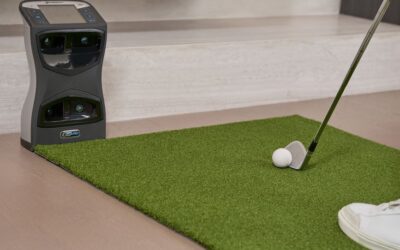
- Position launch monitors 5–7 feet behind the mat for optimal ball tracking.
- Rotate Fiberbuilt mats quarterly to distribute wear evenly across the surface.
- Clean both mat types monthly with mild soap and soft-bristle brushes.
- Store protective covers during extended non-use periods or harsh weather.
- Inspect mat surfaces quarterly for damage, cracks, or unusual wear patterns.
- Avoid extreme temperature exposure; maintain storage between 40–90 degrees Fahrenheit.
Proper mat conditioning preserves playing characteristics and extends replacement intervals. Regular inspection catches damage early, preventing surface deterioration. Following manufacturer maintenance guidelines ensures warranty compliance and optimal performance consistency.
Key Takeaway: Proactive maintenance and proper installation maximize mat lifespan and performance consistency.
What Should You Know Before Making Your Final Decision?
Both Fiberbuilt and Swingturf represent legitimate premium investments in home golf infrastructure. Neither brand offers objectively superior performance across all metrics—each excels in specific categories. Your decision should reflect personal priorities: authentic feel versus advanced technology, budget constraints versus long-term value, and casual practice versus serious swing development.
Test both mats if possible before committing. Many golf retailers offer trial periods or demonstration setups. Visiting local golf facilities using each mat type provides valuable hands-on experience. Reading verified user reviews on multiple platforms reveals real-world performance patterns and potential issues.
Consider your broader home golf ecosystem. If you’re investing in launch monitors or swing analysis software, Swingturf’s superior compatibility justifies premium pricing. If you prioritize comfortable, realistic practice sessions without data analysis, Fiberbuilt delivers exceptional value. Factor in climate conditions, available space, and anticipated usage frequency into your final analysis.
Both mats significantly reduce joint impact compared to concrete or hardwood surfaces, making either choice beneficial for long-term health. The difference lies in secondary features, durability, and technology integration—not fundamental safety or performance.
Key Takeaway: Choose based on your practice style, technology needs, and long-term commitment rather than brand loyalty alone.
Frequently Asked Questions
What is the main difference between Fiberbuilt and Swingturf golf mats?
Fiberbuilt uses layered synthetic fibers mimicking natural fairway turf, prioritizing authentic feel and realistic divots. Swingturf employs advanced polyurethane technology engineered for consistency, durability, and launch monitor compatibility. Fiberbuilt excels at realism; Swingturf excels at longevity and data integration. Both reduce joint impact effectively, but Swingturf lasts 8–10 years versus Fiberbuilt’s 4–6 years.
Which mat is better for joint pain and injury prevention?
Both mats provide superior joint protection compared to concrete surfaces. Swingturf’s advanced shock-absorption system distributes impact energy slightly more effectively than Fiberbuilt’s standard foam cushioning. For golfers with existing knee, ankle, or back concerns, Swingturf’s enhanced cushioning offers marginal additional benefits. However, either mat represents a significant improvement over hard surfaces. Consult our Best Golf Mat for Joint Pain guide for comprehensive joint-protection analysis.
Can you use Swingturf mats with launch monitors and swing analysis software?
Yes, Swingturf mats are specifically engineered for superior launch monitor compatibility and ball tracking accuracy. Their polyurethane surface provides consistent ball contact that sensors read reliably across thousands of shots. Fiberbuilt mats work with launch monitors but exhibit slightly less consistent sensor readings due to fiber surface variation. For serious swing analysis, Swingturf is the optimal choice.
How much maintenance do Fiberbuilt and Swingturf mats require?
Fiberbuilt requires quarterly rotation to distribute wear evenly and prevent permanent divot patterns. Monthly brushing removes debris and maintains surface appearance. Swingturf requires minimal maintenance: occasional cleaning with mild soap and annual inspections for cracks or damage. Overall, Swingturf demands significantly less ongoing care than Fiberbuilt.
Which mat offers better long-term value over 10 years?
Swingturf typically delivers superior 10-year total cost of ownership despite higher initial pricing. A Swingturf mat costs approximately $50 annually over ten years, while Fiberbuilt costs $58–$75 annually due to shorter lifespan and replacement frequency. When factoring maintenance, replacement, and launch monitor compatibility, Swingturf provides better long-term investment value.
Are Fiberbuilt and Swingturf mats suitable for outdoor installation?
Both mats tolerate outdoor use but perform better in covered areas or climate-controlled environments. Swingturf resists UV exposure and temperature fluctuations more effectively than Fiberbuilt. For permanent outdoor installation, Swingturf requires less maintenance and maintains performance consistency through seasonal changes. Protective covers extend lifespan for both mat types during extended storage.
Conclusion: Making Your Final Decision Between Fiberbuilt and Swingturf in 2026
Fiberbuilt golf mats and Swingturf represent two distinct approaches to home golf practice, each delivering exceptional performance within its design philosophy. Fiberbuilt prioritizes authentic fairway feel, realistic divots, and budget accessibility—ideal for recreational golfers and beginners developing fundamentals. Swingturf emphasizes advanced technology, superior durability, and launch monitor integration—perfect for serious practitioners and data-driven swing development.
Your choice should reflect honest assessment of practice frequency, technology needs, and long-term commitment. Casual golfers practicing under 50 shots weekly benefit from Fiberbuilt’s authentic feel and lower entry cost. Serious practitioners using 100+ shots weekly justify Swingturf’s premium pricing through extended lifespan and advanced features. Both mats significantly reduce joint impact compared to hard surfaces, making either choice beneficial for long-term health and comfort.
Neither mat represents an objectively superior choice—success depends on alignment between product capabilities and your specific requirements. Test both options if possible, review verified user feedback, and consider your broader home golf ecosystem before committing. Whether you choose Fiberbuilt or Swingturf, you’re investing in quality equipment that will enhance your practice experience and support long-term skill development. Make your decision confidently, knowing both brands deliver professional-grade performance for home golf installations.





Write Your Review
No reviews yet. Be the first to share your experience!