

What Is Screen to Floor Imaging Golf and How Does It Transform Your Simulator?
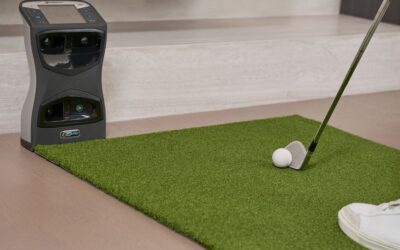
Screen to floor imaging golf is a cutting-edge technology that captures ball flight data from the moment of impact through the ball’s entire trajectory to the floor. Unlike traditional systems that only track initial launch conditions, this method provides complete flight path visualization and landing position accuracy. In 2026, this technology has become essential for serious home golf simulator enthusiasts seeking tournament-grade precision. The system uses advanced camera arrays or sensor networks positioned strategically around your simulator space. This comprehensive data collection enables realistic ball physics simulation and accurate distance measurements. Golfers benefit from immediate feedback on shot quality, spin rates, and landing zones.
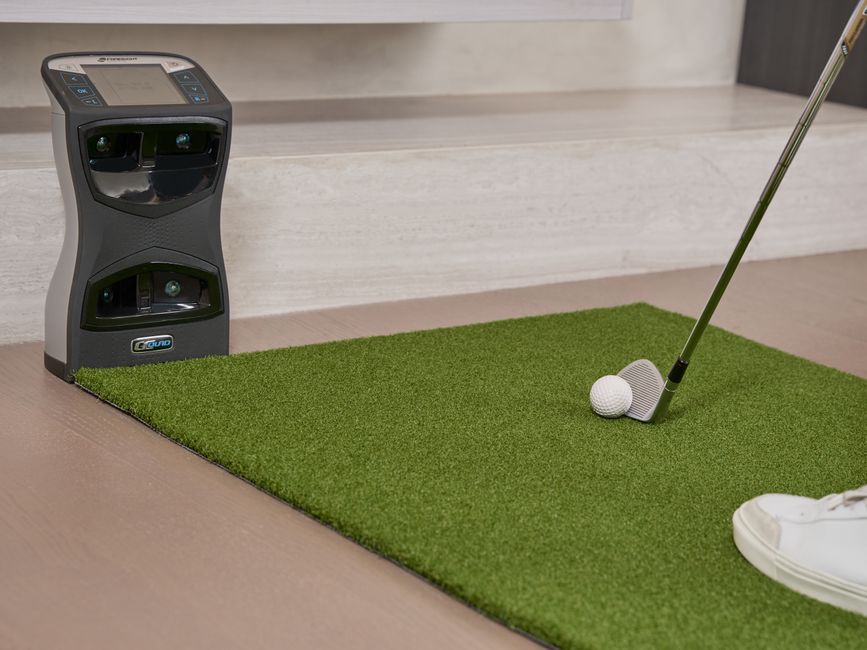
The primary advantage of screen to floor imaging is its ability to eliminate dead zones in traditional simulator setups. Conventional systems often struggle with ball flight data immediately after leaving the impact screen, creating gaps in trajectory information. Screen to floor technology bridges this gap completely. The result is more accurate handicap calculations, better swing feedback, and improved practice efficiency. Whether you’re a casual golfer or serious competitor, this technology delivers the precision needed for meaningful improvement.
Why Screen to Floor Imaging Matters for Home Golf Simulators
Accurate ball flight tracking is fundamental to effective golf practice. Without complete trajectory data, you cannot truly understand your swing mechanics or improve consistently. Screen to floor imaging solves this problem by capturing every aspect of your shot. This comprehensive feedback loop transforms your practice sessions from guesswork into data-driven improvement.
- Eliminates gaps in ball flight tracking between screen and floor.
- Provides accurate landing position data for all shot types.
- Enables precise spin rate and launch angle measurements.
- Improves handicap calculation accuracy significantly.
- Supports realistic course simulation with authentic ball physics.
Key Takeaway: Screen to floor imaging golf eliminates tracking dead zones and provides complete ball flight data essential for accurate practice and improvement.
How Does Screen to Floor Imaging Technology Actually Work?
Screen to floor imaging systems employ sophisticated sensor arrays or high-speed camera networks to track ball movement in real-time. Most modern systems use infrared or RGB cameras positioned at strategic angles around your simulator enclosure. These cameras capture the ball’s position at multiple points during flight, creating a complete three-dimensional trajectory map. The system processes this visual data through advanced algorithms that calculate launch conditions, spin rates, and landing positions. Integration with golf simulation software translates this raw data into realistic virtual course play.
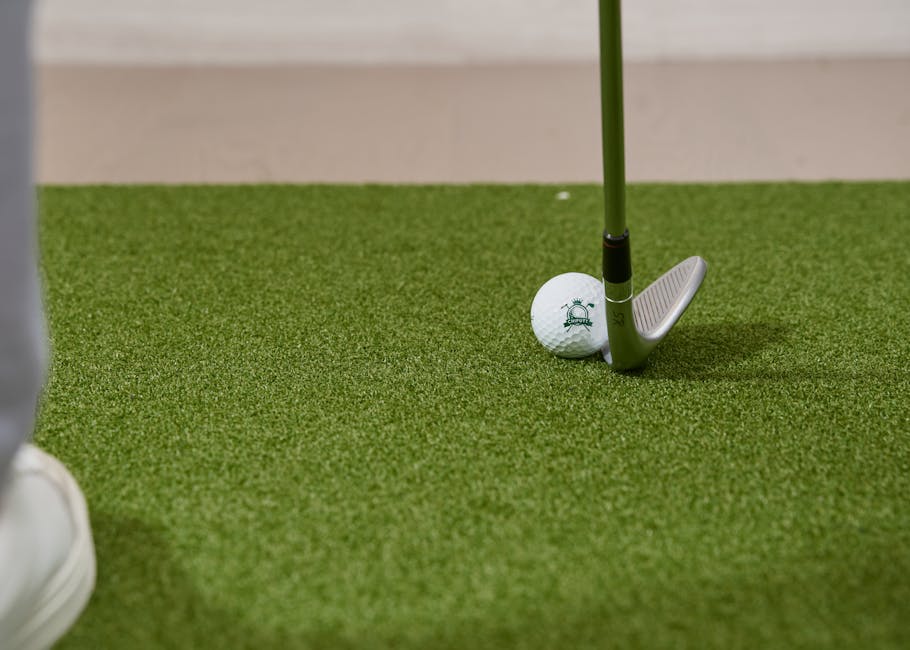
Camera Positioning and Sensor Configuration
Proper camera placement is critical for accurate screen to floor imaging performance. Professional installations typically position cameras at multiple heights and angles to eliminate blind spots. The standard configuration includes cameras mounted above the hitting area, to the sides, and occasionally behind the impact screen. This multi-camera approach ensures the ball remains visible throughout its entire flight path. Calibration of these cameras is essential for accurate distance and angle measurements.
- Primary camera positioned directly above the hitting area for launch detection.
- Side cameras track lateral ball movement and curve.
- Rear cameras capture ball flight after passing the impact screen.
- Cameras calibrated to work within your specific enclosure dimensions.
- System updates camera data at 60-120 frames per second for precision.
Data Processing and Real-Time Feedback
Once cameras capture ball flight data, powerful processors analyze the information instantly. The system calculates launch angle, ball speed, spin rate, and spin axis within milliseconds of impact. This data is compared against known ball physics models to predict landing position and distance. Golf simulation software then displays this information on your screen and adjusts the virtual course accordingly. The entire process happens so quickly that you see results before the ball lands on your floor.
Key Takeaway: Screen to floor imaging uses multi-camera arrays and advanced processors to capture and analyze complete ball flight data in real-time.
What Are the Key Advantages of Screen to Floor Imaging Over Traditional Systems?
Traditional golf simulators often rely on launch monitors that measure initial ball conditions only. These systems cannot track what happens after the ball passes the impact screen, creating significant accuracy gaps. Screen to floor imaging eliminates this limitation entirely by monitoring the complete flight path. This comprehensive approach delivers superior accuracy for distance calculations, landing position prediction, and course simulation. Golfers practicing on screen to floor systems develop better swing fundamentals because feedback is more precise and complete.
Accuracy and Distance Measurement Improvements
Distance accuracy is where screen to floor imaging truly excels compared to traditional systems. By tracking the ball from impact through landing, the system knows exactly how far you hit each shot. This eliminates the estimation errors inherent in launch monitor-only setups. Golfers can confidently track their handicaps and monitor improvement over time. Accurate distance data also enables better club selection and course strategy during virtual rounds.
- Measures actual landing distance with plus-or-minus one yard accuracy.
- Eliminates estimation errors from traditional launch monitors.
- Provides reliable handicap calculations based on complete shot data.
- Enables accurate club distance verification for your specific swing.
- Supports realistic fairway positioning for virtual course play.
Enhanced Feedback for Swing Improvement
Golfers improve fastest when they receive immediate, accurate feedback on their swings. Screen to floor imaging provides this feedback in abundance. You see exactly where your ball landed, how far it traveled, and what spin characteristics it had. This information helps you understand cause-and-effect relationships between your swing mechanics and ball flight. Over time, this detailed feedback accelerates skill development significantly compared to traditional simulator practice.
Key Takeaway: Screen to floor imaging provides superior accuracy and detailed feedback that accelerates swing improvement compared to traditional simulator systems.
What Should You Consider When Setting Up Screen to Floor Imaging in Your Home?
Installing screen to floor imaging golf technology requires careful planning and proper space preparation. Your simulator room dimensions, ceiling height, and floor space all affect system performance and accuracy. Most professional installations require a minimum enclosure size of 10 feet wide by 12 feet deep by 9 feet high for optimal results. The impact screen must be positioned at the correct distance from your hitting position, typically 8 to 10 feet. Additional space behind the screen is needed for the ball to travel and be tracked accurately to the floor.
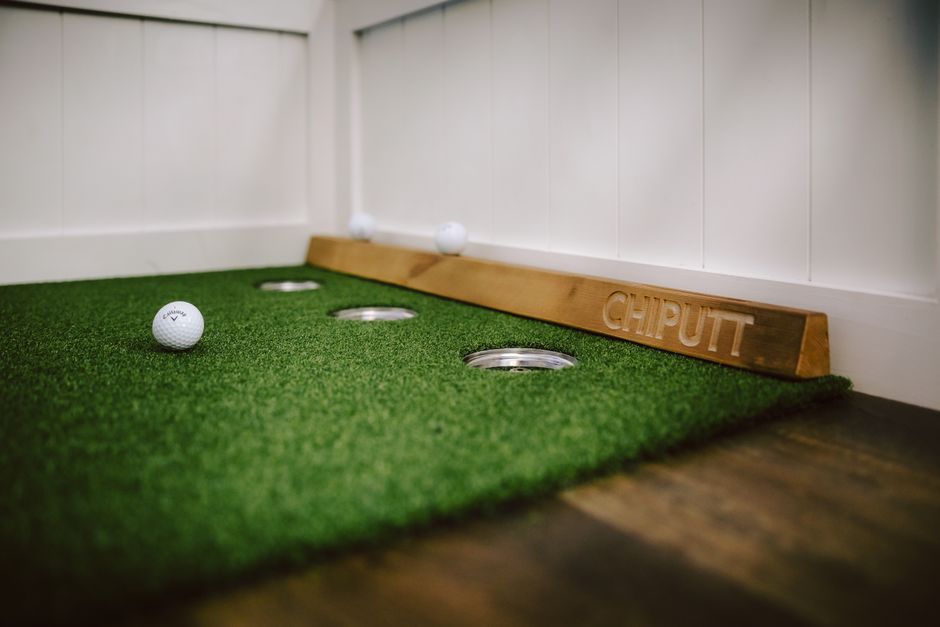
Space Requirements and Room Setup
Adequate space is essential for screen to floor imaging to function properly. Cramped enclosures limit camera positioning and reduce tracking accuracy significantly. Your room should allow for proper camera placement at multiple angles without obstruction. The floor area must be clear and accessible for ball landing and system calibration. Professional installers assess your space carefully before recommending specific equipment configurations.
- Minimum 10 feet wide by 12 feet deep by 9 feet high recommended.
- Impact screen positioned 8-10 feet from hitting position.
- Adequate space behind screen for complete ball flight tracking.
- Clear, level floor for accurate landing position detection.
- Proper lighting conditions for camera systems to function optimally.
Integration with Existing Impact Screens
Many golfers wonder if screen to floor imaging works with their existing impact screen setup. The answer depends on your current screen type and system configuration. For detailed information on impact screen compatibility, see our comparison of poly spacer versus multi-layer impact screens. Some systems integrate seamlessly with existing screens, while others require specific screen types for optimal performance. Consulting with a professional installer ensures your screen to floor imaging system works perfectly with your current equipment.
Key Takeaway: Proper space planning and screen positioning are critical for screen to floor imaging accuracy and performance.
How Do You Optimize Screen to Floor Imaging Performance and Accuracy?
Once your screen to floor imaging system is installed, optimization ensures you get the best possible performance. Regular calibration is essential because camera alignment can shift slightly over time. Proper lighting conditions must be maintained for cameras to track the ball accurately throughout its flight. The impact screen itself must be in excellent condition without wrinkles, tears, or discoloration that could confuse tracking sensors. Software updates should be applied regularly to improve tracking algorithms and add new features.

Calibration and Maintenance Best Practices
Calibration is the foundation of accurate screen to floor imaging performance. Professional installers perform initial calibration using specialized tools and reference measurements. You should recalibrate your system annually or whenever you notice accuracy issues. Regular maintenance includes cleaning camera lenses, checking cable connections, and inspecting the impact screen for damage. For more information on maintaining your impact screen, see our guide on reducing golf screen bounce back.
- Recalibrate system annually to maintain accuracy.
- Clean camera lenses monthly to prevent dust interference.
- Inspect impact screen regularly for tears or wrinkles.
- Check all cable connections quarterly for corrosion.
- Update system software when new versions become available.
Environmental Factors That Affect Performance
Environmental conditions significantly impact screen to floor imaging accuracy. Ambient lighting changes can confuse camera tracking systems, so consistent lighting is important. Temperature fluctuations can cause minor equipment calibration shifts over time. Dust or debris in the air can interfere with camera visibility of the ball. Maintaining stable environmental conditions in your simulator room improves overall system reliability and accuracy. A well-sealed room with controlled lighting and climate performs best.
Key Takeaway: Regular calibration, maintenance, and stable environmental conditions are essential for optimal screen to floor imaging performance.
What Are Practical Steps to Get Started with Screen to Floor Imaging Golf?
Getting started with screen to floor imaging requires a systematic approach. First, assess your current space to determine if it meets minimum requirements for system installation. Next, research available systems and manufacturers to find the best option for your needs and budget. Consult with professional installers who can evaluate your space and recommend appropriate equipment. Finally, plan your installation timeline and prepare your room for system setup. Following these steps ensures a smooth transition to screen to floor imaging technology.
Step-by-Step Implementation Guide
- Measure your simulator room dimensions and verify minimum space requirements.
- Research screen to floor imaging systems from reputable manufacturers in 2026.
- Get quotes from multiple professional installation companies.
- Review system specifications and camera positioning requirements carefully.
- Prepare your room by clearing space and addressing any structural issues.
- Schedule professional installation with a qualified technician.
- Participate in system calibration and training after installation.
- Perform monthly maintenance and annual recalibration for optimal performance.
Frequently Asked Questions
What is the typical cost of screen to floor imaging golf systems in 2026?
Screen to floor imaging systems range from $8,000 to $25,000 depending on camera quality, software features, and installation complexity. Professional installation adds $2,000 to $5,000 to the total cost. Premium systems with advanced features and multiple camera arrays cost more. Budget-friendly options exist but may offer less accuracy or fewer features. Consider this an investment in long-term practice improvement and entertainment value.
Can screen to floor imaging work in small spaces or basements?
Screen to floor imaging requires minimum space of approximately 10 feet by 12 feet by 9 feet for optimal performance. Smaller spaces may work but with reduced accuracy and limited camera positioning options. Basements can work well if ceiling height is adequate and lighting can be controlled. Professional installers can assess your specific space and recommend modifications or alternative solutions if needed.
How accurate is screen to floor imaging compared to outdoor golf?
Modern screen to floor imaging systems achieve accuracy within one to two yards for distance measurements, which is excellent for practice purposes. Launch angle, spin rate, and spin axis measurements are typically accurate to within one to two degrees. This level of accuracy is sufficient for meaningful practice and skill development. Real-world factors like wind and terrain variations mean no simulator perfectly replicates outdoor golf, but screen to floor imaging comes very close.
Do I need to replace my current impact screen for screen to floor imaging?
Many screen to floor imaging systems work with existing impact screens, though compatibility varies by system. Some require specific screen types or materials for optimal performance. Check with manufacturers about compatibility before purchasing. Professional installers can often adapt existing screens or recommend affordable screen replacements that work well with your chosen system.
What happens if the ball hits the side or back wall instead of landing on the floor?
Screen to floor imaging systems track ball flight even when shots miss the intended landing zone. The system records where the ball actually lands, whether on the floor, wall, or other surfaces. This provides accurate feedback for errant shots, helping you understand what went wrong. Professional enclosure design minimizes wall hits, but the system handles them appropriately when they occur.
How often should I update my screen to floor imaging software?
Manufacturers typically release software updates quarterly to improve tracking accuracy and add new courses or features. Apply updates as soon as they become available to benefit from improvements. Major updates may include new algorithms that enhance distance accuracy or ball physics simulation. Check your system manufacturer’s website regularly for available updates and installation instructions.
How Can Screen to Floor Imaging Transform Your Golf Practice Routine?
Screen to floor imaging technology fundamentally changes how you approach golf practice at home. Complete ball flight data enables practice sessions focused on specific improvements rather than random shot repetition. You can track progress objectively over weeks and months, seeing measurable improvements in distance consistency and accuracy. The detailed feedback helps you understand your swing mechanics at a deeper level than traditional practice methods allow. Tournament-grade accuracy builds confidence in your abilities and translates to better on-course performance.
Looking toward 2026 and beyond, screen to floor imaging represents the future of home golf simulators. As technology improves and costs gradually decrease, more golfers will adopt this system for serious practice. The investment in screen to floor imaging pays dividends through accelerated skill development, better handicap tracking, and more enjoyable practice sessions. Whether you’re a casual golfer seeking improvement or a serious competitor preparing for tournaments, screen to floor imaging provides the tools needed for success. Start by assessing your space, researching available systems, and consulting with professional installers to begin your journey toward tournament-grade home golf practice.
Key Takeaway: Screen to floor imaging transforms home golf practice by providing complete ball flight data and tournament-grade accuracy that accelerates skill development and improvement.



Write Your Review
No reviews yet. Be the first to share your experience!