

What Is the Full Swing Kit Tiger Woods and Why Should You Care in 2026?
The Full Swing Kit Tiger Woods represents a premium home golf simulator system designed for serious golfers seeking PGA Tour-level accuracy. This complete package combines advanced launch monitor technology, swing analysis software, and realistic golf simulation into one integrated solution. Tiger Woods’ endorsement signals the kit’s professional-grade capabilities and appeal to dedicated golf enthusiasts. In June 2026, this system remains one of the most sought-after options for building an indoor golf setup at home. The kit delivers ball flight data, club metrics, and swing mechanics analysis comparable to what touring professionals use. Whether you’re a competitive golfer or casual player, understanding this system helps you make an informed investment decision.
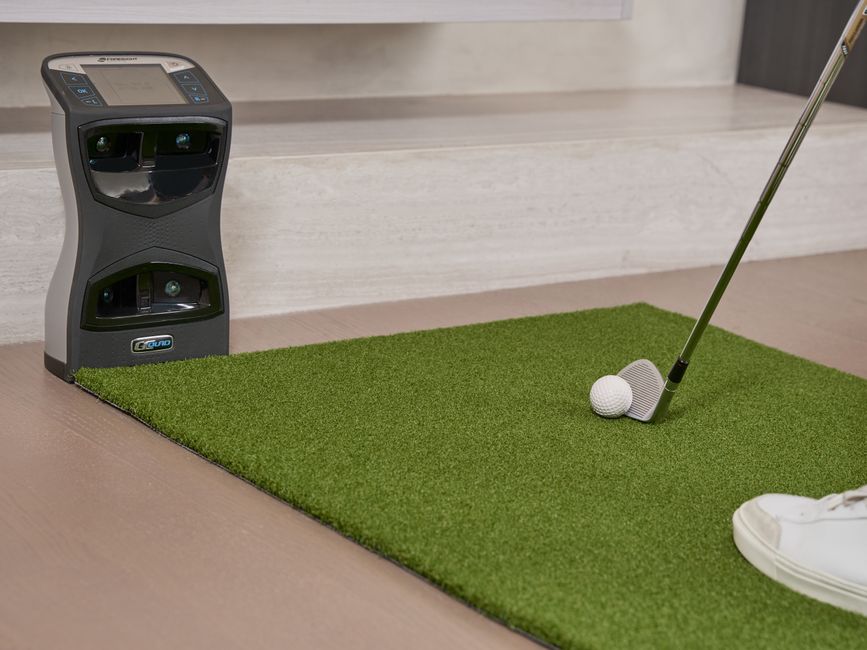
Home golf simulators have evolved dramatically over the past few years. The Full Swing Kit now competes alongside other premium systems in an increasingly crowded market. Golfers investing in 2026 home setups want technology that tracks every detail of their swing. This kit promises exactly that level of precision and data-driven feedback. The Tiger Woods branding reflects the system’s commitment to Tour-level performance standards.
What Components Are Included in the Full Swing Kit Tiger Woods?
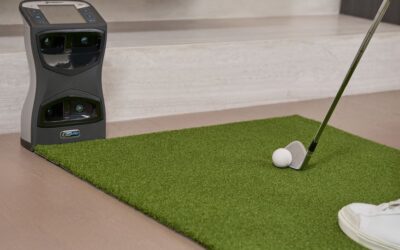
The Full Swing Kit Tiger Woods package includes several essential components working together seamlessly. The launch monitor sits at the core, capturing real-time ball and club data during your swing. High-speed cameras track your body mechanics and club path throughout the motion. The software platform processes this information instantly, displaying results on your screen. A projector or simulator screen shows the virtual golf course and shot results. Together, these elements create a complete home golf experience.
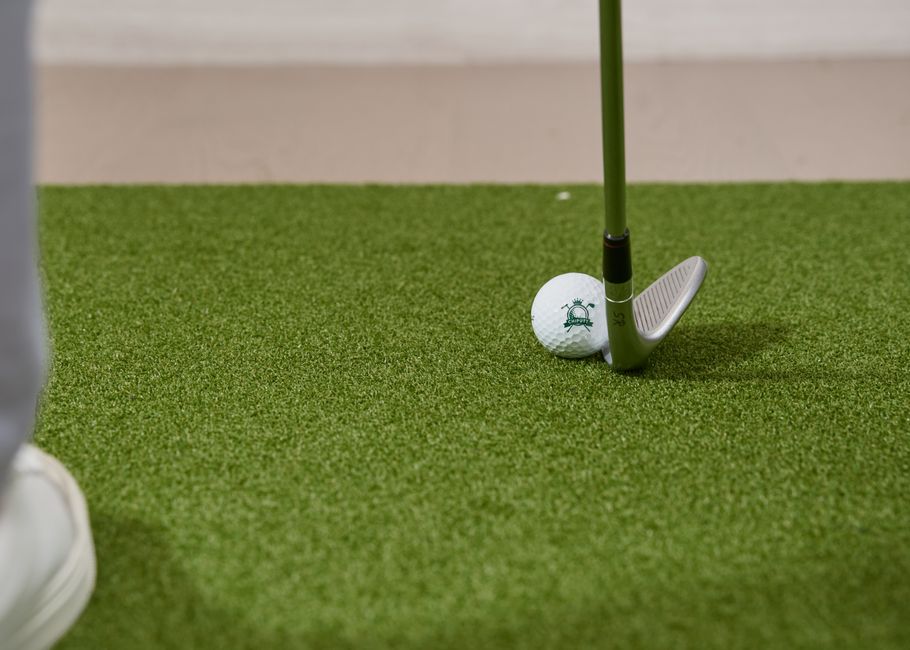
Understanding each component helps you assess whether this kit meets your needs and space requirements.
Launch Monitor and Sensor Technology
The launch monitor is the system’s brain, measuring ball velocity, launch angle, spin rate, and club head speed. Full Swing’s optical technology captures over 3,000 data points per swing. This precision rivals what you’ll find at professional golf facilities and Tour events. The sensor array requires minimal space, fitting into most home setups easily. Accuracy within one percent of actual ball flight makes this system trusted by serious golfers.
- Measures ball speed, launch angle, and spin rate in real time.
- Captures club head speed, path, and face angle data.
- Optical sensors require clear line of sight to the ball.
- Processes data in under 100 milliseconds per shot.
Software and Simulation Platform
Full Swing’s software transforms raw data into actionable swing insights. The platform displays detailed metrics immediately after each shot. You can review ball flight, compare swings side-by-side, and track improvements over time. The simulation portion offers hundreds of real golf courses from around the world. Play championship layouts, practice-specific shots, or compete in virtual tournaments.
The software integrates seamlessly with the launch monitor hardware. Updates released throughout 2026 continue adding new courses and analytical features. Cloud-based storage saves your swing data indefinitely for long-term tracking.
Display and Screen Setup
A high-resolution projector and impact screen complete the visual experience. The screen captures ball flight information while displaying the virtual course. Most setups use a 10-by-12-foot impact screen for optimal immersion. The projector mounts above or behind the hitting area, depending on your space. Proper screen placement ensures accurate ball detection and clear image quality.
- Impact screens range from 8×10 to 12×14 feet depending on space.
- Projectors should deliver 3,000+ lumens for bright, clear images.
- Mounting options include ceiling, wall, or portable stands.
- Screen material must withstand repeated ball impacts.
Key Takeaway: The Full Swing Kit combines optical launch monitor technology, advanced software, and projection equipment into one integrated home golf system.
How Does the Full Swing Kit Compare to Other Launch Monitors in 2026?
The Full Swing Kit occupies the premium segment alongside systems like Uneekor and TrackMan. Compared to budget options like the Shot Scope LM1 Launch Monitor, Full Swing offers superior accuracy and more comprehensive swing analysis. The system’s optical technology outperforms radar-based competitors in detecting spin axis and launch conditions. Full Swing’s software ecosystem provides more detailed biomechanical feedback than most alternatives. Price reflects this premium positioning, with complete kits starting around fifteen thousand dollars.

When deciding between launch monitor systems, consider your budget, space, and analytical needs. Full Swing excels for golfers wanting Tour-level data and detailed swing mechanics analysis. Choosing the right system depends on your specific priorities and home setup constraints.
Full Swing vs. Radar-Based Systems
Optical technology used by Full Swing differs fundamentally from radar systems. Optical sensors track the ball’s actual flight path, capturing spin axis and precise launch angles. Radar systems estimate ball flight based on club data, occasionally missing subtle spin characteristics. Full Swing’s approach provides more accurate spin measurements, crucial for shot shaping analysis. Golfers seeking detailed spin information prefer optical systems. However, radar systems work in various lighting conditions without calibration.
- Optical systems track actual ball flight with higher precision.
- Radar systems estimate ball flight from club metrics.
- Optical systems require clear line of sight and proper lighting.
- Radar systems function in any lighting condition.
Full Swing vs. Budget Alternatives
Budget launch monitors like the Shot Scope LM1 cost two to three thousand dollars versus Full Swing’s premium pricing. Lower-cost systems sacrifice some accuracy and analytical depth for affordability. Full Swing’s software provides biomechanical swing analysis beyond what budget monitors offer. If you’re serious about improving your golf swing through detailed data, Full Swing justifies its higher cost. Casual players might find budget alternatives sufficient for their needs and training goals.
For a detailed comparison of launch monitor types, review our guide on indoor versus outdoor launch monitors. This resource helps you understand which technology suits your specific situation best.
Key Takeaway: Full Swing’s optical technology and comprehensive software justify its premium pricing for serious golfers seeking Tour-level accuracy and detailed swing analysis.
What Space and Setup Requirements Does the Full Swing Kit Need?
Installing the Full Swing Kit requires adequate space, proper lighting, and stable power supply. Most golfers dedicate a dedicated room or garage bay to their simulator setup. The minimum space is roughly ten feet wide by twelve feet deep by nine feet tall. This allows room for the hitting area, screen placement, and camera positioning. Proper ventilation prevents equipment overheating during extended practice sessions. Dedicated electrical circuits ensure consistent power without fluctuations affecting sensor accuracy.
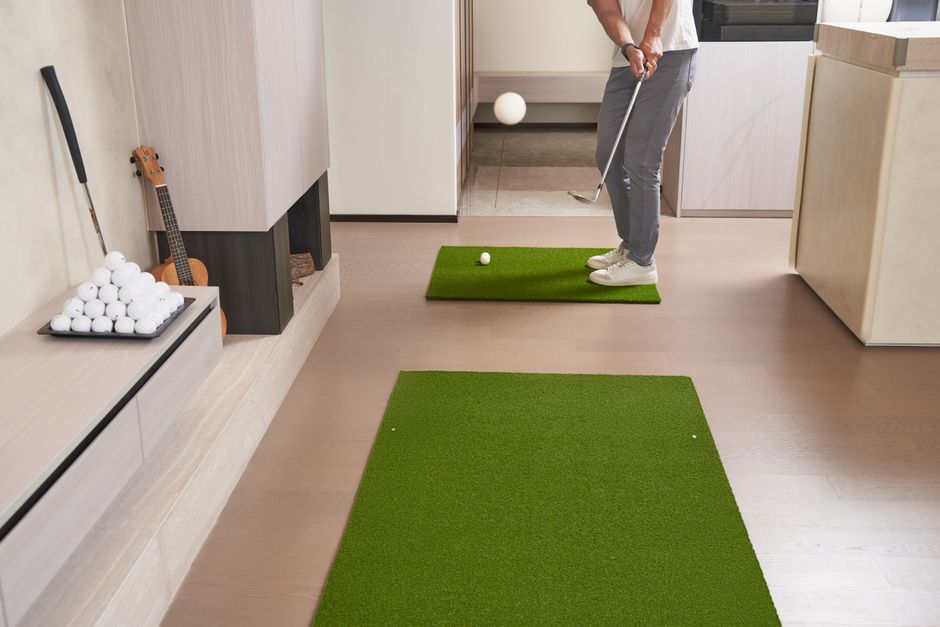
Your home’s layout significantly impacts installation feasibility and overall experience quality.
Minimum Space Dimensions
The hitting area needs at least six feet of clearance in front of you for a full swing. Behind the ball, you’ll need three to four feet for the launch monitor and sensors. The impact screen should be positioned eight to ten feet away from the hitting position. Ceiling height must accommodate your tallest club without hitting overhead fixtures. These dimensions create the bare minimum for comfortable, unrestricted swings.
- Hitting area: minimum 6 feet of forward clearance.
- Sensor placement: 3-4 feet behind the ball.
- Screen distance: 8-10 feet from hitting position.
- Ceiling height: minimum 9 feet, preferably 10-12 feet.
Lighting and Environmental Conditions
Optical sensors perform best with consistent, controlled lighting. Bright sunlight or harsh shadows can interfere with ball tracking accuracy. Installing dimmable LED lighting provides optimal conditions for sensor operation. The room temperature should remain stable between sixty and seventy-five degrees Fahrenheit. Humidity control prevents sensor lens fogging and maintains equipment longevity. Proper ventilation removes heat generated by projectors and computers during use.
Many golfers install blackout curtains or blinds to control ambient light. This investment ensures consistent sensor performance regardless of time of day or weather outside.
Installation and Calibration Process
Professional installation typically takes one to two days depending on your space’s complexity. Technicians position the launch monitor, calibrate sensors, and align the projection system. They verify accuracy through test shots and software configuration. Many Full Swing dealers offer installation services included with kit purchase. DIY installation is possible but requires technical skill and patience. Proper calibration is essential for accurate data collection and reliable performance.
Key Takeaway: Full Swing Kit installation requires ten by twelve feet of dedicated space, controlled lighting, and professional calibration for optimal accuracy.
How Can You Maximize Your Full Swing Kit Investment Through Practice and Analysis?
Owning the Full Swing Kit is only half the equation—using it strategically accelerates your improvement. The system’s detailed feedback becomes most valuable when you implement a structured practice plan. Track specific metrics like launch angle, spin rate, and club path over time. Compare your swing data to professional benchmarks provided by the software. Regular practice sessions with focused goals yield better results than random hitting. The data-driven approach transforms your home simulator into a legitimate training tool.
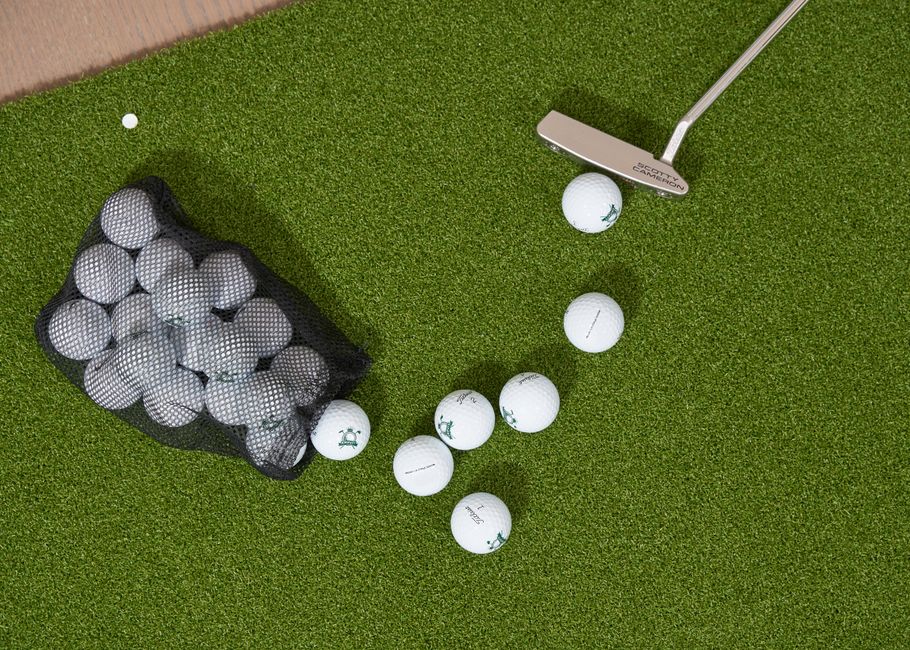
Developing a practice routine maximizes the kit’s potential for swing improvement and skill development.
Structured Practice Routines
Create a weekly practice schedule targeting specific swing elements. Dedicate sessions to driver optimization, iron consistency, or short game precision. Use the software’s shot tracking to identify patterns in your performance. Record baseline metrics for each club, then work toward improvement targets. The visual feedback from simulator shots helps you understand cause-and-effect relationships in your swing. Over weeks and months, this data-driven approach reveals measurable progress.
- Practice one club or shot type per session for focused improvement.
- Record baseline metrics for comparison and progress tracking.
- Use video analysis to correlate swing mechanics with ball flight results.
- Set specific, measurable targets for launch angle, spin rate, and distance.
- Review data weekly to identify trends and adjust practice focus.
Swing Analysis and Biomechanics
The Full Swing Kit’s camera system captures your swing mechanics in high definition. Review your motion frame-by-frame to identify inconsistencies or inefficiencies. Compare your swing sequence to professional models stored in the software database. The biomechanical analysis highlights areas where technique improvements yield better ball flight. Many golfers discover subtle flaws invisible to the naked eye through this detailed analysis. Working with a golf instructor using the software data accelerates improvement dramatically.
The combination of ball flight data and swing mechanics analysis creates a complete picture of your performance. This comprehensive feedback enables targeted, efficient practice.
Competitive Play and Course Practice
Beyond practice, use the simulator to play full rounds on championship courses. Competitive play builds mental toughness and pressure management skills. Practice specific holes that challenge you in real golf. The simulator’s accurate course data helps you develop course management strategies. Playing virtual tournaments against friends adds motivation and accountability. This blend of practice and play makes your simulator investment more enjoyable and effective.
Key Takeaway: Structured practice routines combined with detailed swing analysis transform the Full Swing Kit into a powerful improvement tool for serious golfers.
What Are the Costs and Long-Term Ownership Considerations for 2026?
The Full Swing Kit represents a significant financial investment requiring careful budget planning. Complete systems cost between fifteen thousand and twenty-five thousand dollars depending on configuration. This includes the launch monitor, software, projector, screen, and installation. Additional expenses include room preparation, lighting upgrades, and annual software subscriptions. Maintenance costs remain relatively low, though sensor calibration and occasional repairs may occur. Understanding total cost of ownership helps you evaluate whether this investment aligns with your golf goals and budget.
Long-term ownership involves ongoing expenses beyond the initial purchase price.
Initial Purchase and Installation Costs
The base Full Swing Kit starts around fifteen thousand dollars for the launch monitor and software. Adding a quality projector and impact screen adds five to eight thousand dollars. Professional installation typically costs one to three thousand dollars depending on your space’s complexity. Room preparation, including flooring, lighting, and electrical work, may add another two to five thousand dollars. Total investment for a complete, professional setup often reaches twenty-five thousand dollars or more. Financing options through dealers make this investment more accessible for serious golfers.
- Base kit: fifteen thousand dollars.
- Projector and screen: five to eight thousand dollars.
- Professional installation: one to three thousand dollars.
- Room preparation: two to five thousand dollars.
- Total estimated cost: twenty-five thousand dollars.
Ongoing Maintenance and Subscriptions
Annual software subscriptions cost between five hundred and one thousand dollars depending on features. Sensor calibration, recommended annually, costs two hundred to five hundred dollars. Projector lamp replacement occurs every one to two years at three hundred to five hundred dollars. Impact screen replacement happens after five to ten years of heavy use. Regular cleaning and minor repairs keep equipment functioning optimally. These ongoing costs are manageable compared to the initial investment but should factor into your budget planning.
For more information about home golf simulator setups, explore our Uneekor Eye Mini Lite indoor setup guide. This resource provides insights into complete home simulator configurations and cost considerations.
Key Takeaway: Full Swing Kit ownership involves a twenty-five thousand dollar initial investment plus annual maintenance and subscription costs of one thousand dollars or less.
Frequently Asked Questions
Is the Full Swing Kit suitable for beginners?
The Full Swing Kit is designed for serious golfers, not beginners. The system’s detailed metrics and high cost make it better suited for intermediate to advanced players. Beginners benefit more from budget-friendly launch monitors like the Shot Scope LM1. Once you’ve developed consistent fundamentals, upgrading to Full Swing becomes worthwhile. Starting with a simpler system allows you to learn before investing in premium equipment.
Can you use the Full Swing Kit outdoors?
The Full Swing Kit is designed exclusively for indoor use. Outdoor light variations interfere with optical sensor accuracy. Professional outdoor simulators use different technology suited for natural light conditions. If you want outdoor capability, consider radar-based systems or portable launch monitors. Full Swing’s strength lies in controlled indoor environments where sensor performance remains consistent.
How accurate is the Full Swing Kit compared to real golf?
Full Swing’s optical technology achieves accuracy within one percent of actual ball flight. This precision rivals professional golf facilities and Tour-level equipment. The simulator accurately reproduces ball flight, distance, and spin characteristics. However, outdoor conditions like wind and uneven terrain cannot be perfectly simulated. For swing mechanics and shot analysis, the system is exceptionally accurate and reliable.
Does the Full Swing Kit include golf courses?
Yes, the system includes hundreds of real golf courses from championship layouts worldwide. Additional courses are added regularly through software updates. You can play courses like Augusta National, Pebble Beach, and St. Andrews. Course libraries expand throughout 2026 with new additions. Subscription plans unlock additional courses and features beyond the base package.
What is the warranty coverage for the Full Swing Kit?
Full Swing typically offers one to two year warranties covering equipment defects and malfunctions. Extended warranties are available for additional cost. Coverage includes the launch monitor, sensors, and software. Damage from improper installation or user negligence may not be covered. Review your specific warranty terms with your dealer before purchase.
Can multiple golfers use the same Full Swing Kit?
Yes, the system supports multiple user profiles and swing data storage. Each golfer can track their own metrics and improvement over time. The software compares different golfers’ performances and provides individual analysis. Family members or training groups can share the equipment effectively. This multi-user capability makes the investment more valuable for households with multiple golfers.
Is the Full Swing Kit Tiger Woods the Right Choice for Your Home Golf Simulator in 2026?
The Full Swing Kit Tiger Woods represents the pinnacle of home golf simulator technology for serious golfers in 2026. Its optical launch monitor technology, comprehensive software, and Tour-level accuracy justify the premium investment. If you’re committed to measurable swing improvement and detailed performance analysis, this system delivers exceptional value. The kit’s professional-grade capabilities rival what you’ll find at elite golf facilities. For casual players or those with limited budgets, more affordable alternatives may suffice. However, if you want the best home golf simulator available, Full Swing consistently ranks at the top.
Consider your space, budget, and golf goals carefully before committing to this investment. Professional installation and proper setup are essential for optimal performance. The system’s ongoing software updates and course additions ensure relevance throughout 2026 and beyond. Whether you’re a competitive golfer seeking a training tool or an enthusiast wanting premium entertainment, the Full Swing Kit delivers on its promises. Make your decision based on your specific needs and long-term golf development plans.



Write Your Review
No reviews yet. Be the first to share your experience!