

What’s the Difference Between Poly Spacer and Multi-Layer Impact Screens?
A poly spacer impact screen uses a single fabric layer mounted over a rigid frame with spacer bars creating air gaps between the screen and frame. A multi-layer impact screen stacks two or more fabric layers with cushioning material between them for enhanced shock absorption. The poly spacer design prioritizes simplicity and cost-effectiveness. Multi-layer screens add durability and ball impact protection at a higher price point. Both systems capture ball data accurately for golf simulators, but they handle impact forces differently. Understanding these structural differences helps you choose the right setup for your space and budget.
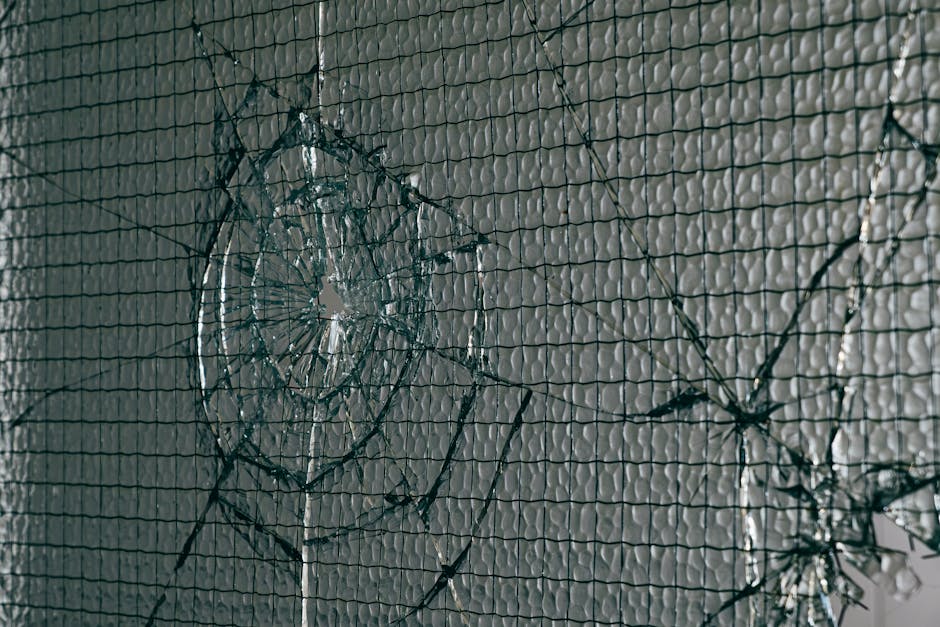
Impact screens are critical components in golf simulator setups. They must absorb high-velocity ball strikes while maintaining accurate sensor readings. The choice between poly spacer and multi-layer designs affects your screen’s lifespan, maintenance requirements, and overall performance. In 2026, both technologies have matured significantly, offering reliable options for home and commercial installations.
Key Takeaway: Poly spacer screens offer affordability and simplicity, while multi-layer screens provide superior durability and impact resistance.
How Does a Poly Spacer Impact Screen Work?
A poly spacer screen features a single layer of high-denier fabric stretched tightly across a frame. Plastic spacer bars maintain consistent distance between the fabric and the frame backing, creating an air cushion that absorbs ball impact. This air gap acts as a shock absorber, reducing stress on the fabric itself. The design is straightforward and easy to install or replace. Most poly spacer screens use nylon or polyester fabric rated for high tensile strength.
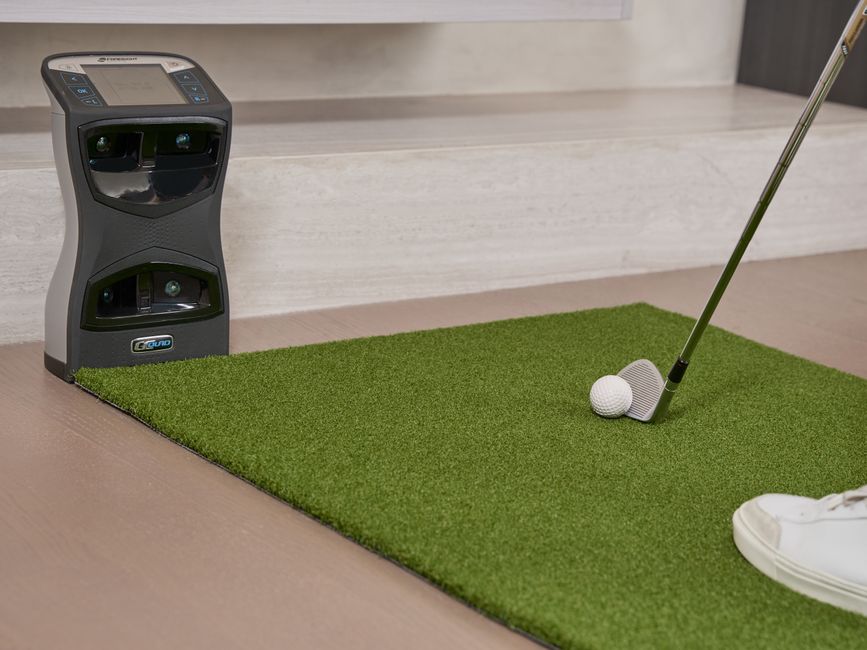
The spacer bars are typically made from rigid plastic or aluminum. They’re positioned every 6 to 12 inches across the frame to distribute impact force evenly. When a golf ball strikes the screen, the fabric flexes backward into the air gap, then springs back to its original position. This elasticity is what protects the fabric from tearing or degrading quickly.
Advantages of Poly Spacer Screens
- Lower initial cost compared to multi-layer alternatives.
- Simple construction makes replacement easier and faster.
- Lightweight design simplifies installation and frame mounting.
- Excellent sensor accuracy for ball tracking and launch data.
- Minimal maintenance required during normal use.
Poly spacer screens have become the industry standard for budget-conscious simulator owners. They deliver solid performance without unnecessary complexity. For casual players hitting 50-100 balls per session, a poly spacer screen typically lasts 2-3 years before requiring replacement.
Key Takeaway: Poly spacer screens combine affordability with reliable performance through simple air-gap shock absorption design.
What Are the Benefits of Multi-Layer Impact Screens?
Multi-layer impact screens stack two or three fabric layers with foam, felt, or mesh cushioning material sandwiched between them. This layered construction distributes impact energy across multiple surfaces instead of concentrating it on a single fabric layer. Each layer absorbs a portion of the ball’s kinetic energy, resulting in gentler overall impact stress. The cushioning material acts like a shock absorber in a vehicle suspension system. Multi-layer screens excel at reducing wear and extending screen lifespan significantly.
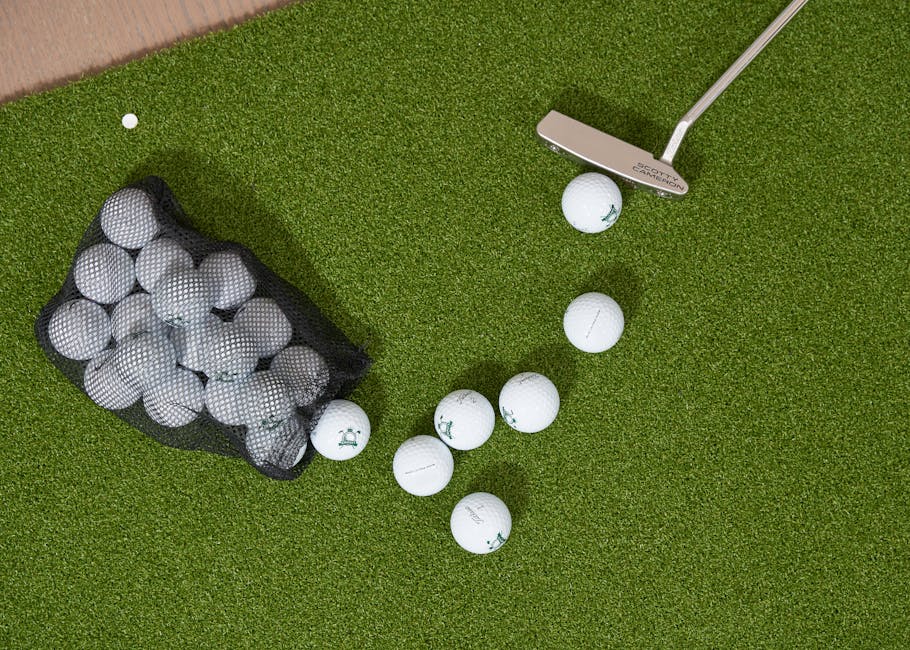
The outer layer typically uses the same high-denier fabric as poly spacer screens. Inner layers may use different materials optimized for cushioning rather than direct impact resistance. Some premium multi-layer screens include specialized foam rated for thousands of ball strikes. This redundancy means that even if one layer degrades, the other layers continue protecting the screen.
Key Performance Advantages
- Extended lifespan: 5-7 years or more with heavy use.
- Superior impact absorption reduces fabric stress and wear.
- Better protection for sensor cameras positioned behind the screen.
- Reduced noise on ball impact compared to single-layer designs.
- More forgiving on off-center hits and mishits.
Multi-layer screens are ideal for high-volume usage environments. Golf schools, indoor ranges, and serious enthusiasts who hit 300+ balls weekly benefit most from the durability investment. The quieter impact sound also improves the overall simulator experience. For more details on optimizing your setup, see our guide on how to reduce golf screen bounce back in 2026.
Key Takeaway: Multi-layer screens provide extended durability and quieter performance through layered shock absorption design.
How Do Poly Spacer and Multi-Layer Screens Compare in Price and Value?
Poly spacer screens typically cost between 300 and 800 dollars depending on size and frame quality. A standard 10-foot by 7-foot poly spacer screen runs approximately 500 dollars. Multi-layer impact screens for the same dimensions range from 800 to 2,000 dollars or more. The price difference reflects the additional materials and labor involved in layering and assembly. For budget-conscious buyers, poly spacer screens offer excellent value for casual use.

When calculating true cost of ownership, consider replacement frequency and maintenance. A poly spacer screen replaced every 2-3 years costs roughly 170-250 dollars annually. A multi-layer screen lasting 5-7 years costs approximately 115-160 dollars annually. Over a 10-year period, multi-layer screens often prove more economical despite higher upfront costs. This calculation shifts further in favor of multi-layer screens if you use your simulator frequently.
Cost Comparison by Usage Level
- Casual users (50-100 balls/week): Poly spacer offers better value; replacement every 2-3 years.
- Regular users (100-300 balls/week): Multi-layer becomes competitive; replacement every 4-5 years.
- Heavy users (300+ balls/week): Multi-layer clearly superior; lasts 6-7+ years.
- Commercial installations: Multi-layer essential; downtime costs exceed material savings.
Key Takeaway: Poly spacer screens save money upfront, but multi-layer screens offer better long-term value for frequent users.
Which Screen Type Provides Better Durability and Longevity?
Multi-layer impact screens consistently outlast poly spacer designs under identical usage conditions. The layered construction distributes stress more evenly, preventing concentrated wear patterns. Poly spacer screens experience maximum stress at the fabric’s center where ball impact occurs most frequently. This creates a wear cone that eventually tears through the material. Multi-layer screens spread this stress across multiple surfaces, significantly slowing degradation.

Environmental factors also influence durability differently between designs. Temperature fluctuations and humidity changes cause fabric expansion and contraction. Poly spacer screens show greater sensitivity to these changes because the single layer bears all stress. Multi-layer designs absorb dimensional changes more gracefully through their cushioning materials. In humid or temperature-variable environments, multi-layer screens maintain consistent performance longer.
Durability Factors Across Screen Types
- Fabric quality: Both use similar high-denier materials; multi-layer provides redundancy.
- Impact absorption: Multi-layer reduces peak stress by 40-60% per strike.
- Environmental stability: Multi-layer handles humidity and temperature swings better.
- Maintenance demands: Poly spacer requires more frequent tension adjustments.
- Repair options: Multi-layer allows partial layer replacement; poly spacer requires full replacement.
Real-world data from simulator facilities shows multi-layer screens maintaining acceptable performance after 50,000+ ball impacts. Poly spacer screens typically show visible wear after 30,000-40,000 impacts. This difference becomes critical in commercial settings where screen replacement disrupts revenue. For home users, the gap matters less unless you’re an extremely dedicated practice enthusiast.
Key Takeaway: Multi-layer screens deliver 50-100% longer lifespan through distributed stress absorption and environmental stability.
What Installation and Maintenance Differences Should You Know?
Poly spacer screen installation is straightforward and requires basic tools. The single fabric layer stretches across the frame and attaches with clips or bolts. Installation typically takes 30-60 minutes for an experienced person. Replacement is equally simple: remove old fabric, install new layer, adjust tension. No special equipment or expertise is needed. Most homeowners can handle installation themselves, reducing labor costs significantly.
Multi-layer screen installation is more complex and usually requires professional help. The multiple layers must be precisely aligned and secured to prevent shifting. Tension adjustment becomes more critical because uneven tension affects all layers. Installation typically takes 2-4 hours and often costs 200-400 dollars in labor. However, the durability gains often justify this additional upfront investment.
Maintenance Requirements Comparison
- Poly spacer: Check fabric tension monthly; retighten as needed.
- Multi-layer: Check tension quarterly; less frequent adjustment needed.
- Poly spacer: Clean fabric every 2-3 months with mild soap and water.
- Multi-layer: Clean outer layer only; internal layers protected from debris.
- Poly spacer: Inspect for small tears monthly; patch immediately to prevent expansion.
- Multi-layer: Tears rarely penetrate all layers; less urgent repair timeline.
Poly spacer screens require more active maintenance because the single layer is your only defense. Any small tear needs immediate attention to prevent rapid expansion. Multi-layer screens are more forgiving because inner layers provide backup protection. This reduced maintenance burden appeals to busy simulator owners who want reliability without constant attention.
Key Takeaway: Poly spacer screens demand more frequent maintenance, while multi-layer screens require less hands-on care.
How Do These Screens Affect Ball Tracking Accuracy?
Both poly spacer and multi-layer impact screens maintain excellent ball tracking accuracy when properly installed. Modern golf simulators rely on camera-based launch monitors positioned behind the screen. These systems track ball spin, launch angle, and velocity through the screen fabric. The fabric material itself doesn’t significantly affect tracking accuracy. What matters most is consistent fabric tension and camera alignment.
Poly spacer screens with proper tension deliver tracking accuracy within 1-2 degrees of launch angle and 2-3 RPM of spin rate. Multi-layer screens achieve similar accuracy when tension is correctly set. The key difference lies in maintaining consistent tension over time. Poly spacer screens lose tension more quickly due to single-layer stress concentration, potentially degrading accuracy. Multi-layer screens maintain stable tension longer because stress is distributed across multiple surfaces.
Some users report slightly softer ball response from multi-layer screens due to increased cushioning. This doesn’t affect tracking accuracy but may feel different during practice. The psychological impact of a softer feel can actually improve confidence and swing consistency for some golfers. Others prefer the firmer response of poly spacer screens. This is purely a preference factor unrelated to measurement accuracy.
Key Takeaway: Both screen types deliver accurate ball tracking; multi-layer screens maintain consistent accuracy longer through better tension stability.
What Practical Tips Help You Choose the Right Screen for Your Needs?
Choosing between poly spacer and multi-layer impact screens requires honest assessment of your usage patterns and budget. Start by estimating how many balls you hit weekly and how many years you plan to use the simulator. Calculate the total cost of ownership including replacement cycles. For casual users hitting fewer than 100 balls per week, poly spacer screens provide excellent value. For regular users hitting 200+ balls weekly, multi-layer screens become more economical.
Consider your physical space and noise tolerance. Multi-layer screens produce quieter impact sounds, which matters if your simulator is near living spaces. Evaluate your installation capabilities: can you handle basic DIY installation, or do you need professional help? Poly spacer screens are DIY-friendly; multi-layer screens often require professional installation. Think about your maintenance preferences: do you enjoy regular upkeep, or prefer a low-maintenance option?
Decision-Making Checklist
- Estimate weekly ball volume: casual (<100), regular (100-300), or heavy (300+).
- Calculate expected usage duration: 2-3 years, 5-7 years, or 10+ years.
- Set your budget for initial purchase and replacements over time.
- Assess noise sensitivity: quiet (multi-layer) or acceptable (poly spacer).
- Evaluate installation capability: DIY-capable (poly spacer) or professional preferred (multi-layer).
- Consider maintenance commitment: hands-on (poly spacer) or minimal (multi-layer).
Visit a golf simulator facility that uses both types if possible. Hit balls on each screen and observe how they perform. Ask facility operators about their maintenance experiences and replacement frequency. Real-world feedback from experienced users provides invaluable insights that specifications alone cannot offer. Many retailers also offer rental or trial periods, allowing you to test before committing.
Key Takeaway: Match your screen choice to your usage frequency, budget timeline, and maintenance preferences for optimal satisfaction.
Frequently Asked Questions
Can you upgrade a poly spacer screen to multi-layer?
Most poly spacer frame systems cannot accommodate multi-layer screens because the frame depth and mounting points differ. You would need to purchase a new frame designed for multi-layer construction. Some manufacturers offer upgrade kits, but these are expensive and rarely cost-effective compared to buying a new multi-layer system. It’s generally better to plan your initial purchase carefully rather than attempting upgrades later.
How often should you replace a poly spacer screen?
Poly spacer screens typically require replacement every 2-3 years with casual use (50-100 balls weekly). Heavy users may need replacement annually. Watch for visible wear patterns, small tears that expand quickly, or loss of tension that won’t tighten. Most manufacturers recommend replacement when the fabric shows permanent deformation or multiple small tears in the same area.
Do multi-layer screens really last twice as long as poly spacer screens?
Multi-layer screens typically last 5-7 years versus 2-3 years for poly spacer screens, roughly 2-3 times longer depending on usage intensity. This extended lifespan comes from distributed stress absorption across multiple layers. However, actual longevity depends heavily on usage frequency, maintenance quality, and environmental conditions. Casual users may see less dramatic differences than heavy users.
Which screen type is better for mishits and off-center strikes?
Multi-layer screens handle mishits better because the cushioning material absorbs impact energy more forgivingly. Off-center strikes create stress concentration on poly spacer screens, potentially causing tears. Multi-layer screens distribute this uneven stress across multiple surfaces, reducing tear risk. For golfers still developing consistency, multi-layer screens provide more durability and peace of mind.
Are there any sensor compatibility issues between screen types?
No compatibility issues exist between poly spacer and multi-layer screens with modern launch monitors. Both fabric types are transparent to camera-based tracking systems. The key requirement is proper fabric tension and camera alignment, not the screen type itself. Verify your specific launch monitor’s recommendations, but most systems work equally well with either design.
What’s the noise difference between poly spacer and multi-layer screens?
Multi-layer screens produce 5-10 decibels less impact noise than poly spacer screens due to cushioning material absorption. This difference is noticeable and appreciated in home installations. Poly spacer screens create a sharper, louder impact sound that some golfers enjoy but others find disruptive. If noise is a concern, multi-layer screens provide a significant advantage.
Which Impact Screen Setup Should You Choose for Your Golf Simulator?
The choice between poly spacer and multi-layer impact screens ultimately depends on your specific situation, usage patterns, and priorities. Poly spacer screens excel for budget-conscious buyers and casual users who hit fewer than 100 balls weekly. They offer affordability, simplicity, and reliable performance without unnecessary complexity. If you value low initial cost and don’t mind regular maintenance, a poly spacer screen delivers excellent value. For DIY installers and those with limited budgets, this remains the practical choice.
Multi-layer impact screens make sense for regular and heavy users hitting 200+ balls weekly. The extended lifespan, superior durability, and reduced maintenance requirements justify the higher upfront investment. Commercial installations and serious enthusiasts benefit most from multi-layer technology. The quieter operation also enhances the overall simulator experience. Consider your 5-10 year ownership timeline and calculate total cost of ownership, not just initial price.
Whichever you choose, proper installation and consistent maintenance ensure optimal performance and longevity. Verify your launch monitor’s specific requirements and follow manufacturer guidelines for tension adjustment. Both screen types deliver accurate ball tracking and reliable performance when properly maintained. Test both if possible before committing to your final decision. Your choice will shape your simulator experience for years to come, making it worth the careful consideration.
Key Takeaway: Choose poly spacer for budget-conscious casual use, or multi-layer for frequent use and long-term value.



Write Your Review
No reviews yet. Be the first to share your experience!