

What Is Golf Pressure Plate Weight Shift and Why Does It Matter?
Quick Answer: Golf pressure plate weight shift refers to how your body weight distributes across your feet during the swing, measured by force plates to optimize power transfer and consistency. Proper weight shift is fundamental to generating clubhead speed, maintaining balance, and reducing injury risk. Modern pressure plate technology reveals exactly where your weight moves throughout the swing sequence, helping golfers identify inefficiencies and make targeted improvements.

In June 2026, pressure plate analysis has become mainstream in golf instruction. These force-sensing devices track real-time weight distribution, showing instructors and players precisely how weight moves from address through follow-through. Understanding this data transforms swing mechanics from guesswork into science-based improvement.
Weight shift directly impacts ball striking quality. Poor weight distribution causes inconsistent contact, reduced distance, and increased injury risk. Conversely, optimal pressure plate patterns correlate with lower scores and longer career longevity.
Key Takeaway: Pressure plate technology quantifies weight shift patterns, enabling golfers to make measurable improvements in swing efficiency and performance.
How Does Weight Distribution Affect Your Golf Swing Mechanics?
Weight shift is the foundation of an efficient golf swing. During the backswing, your weight should gradually move toward your back foot, loading energy like a coiled spring. At the transition, weight begins shifting forward, building momentum for the downswing and impact.
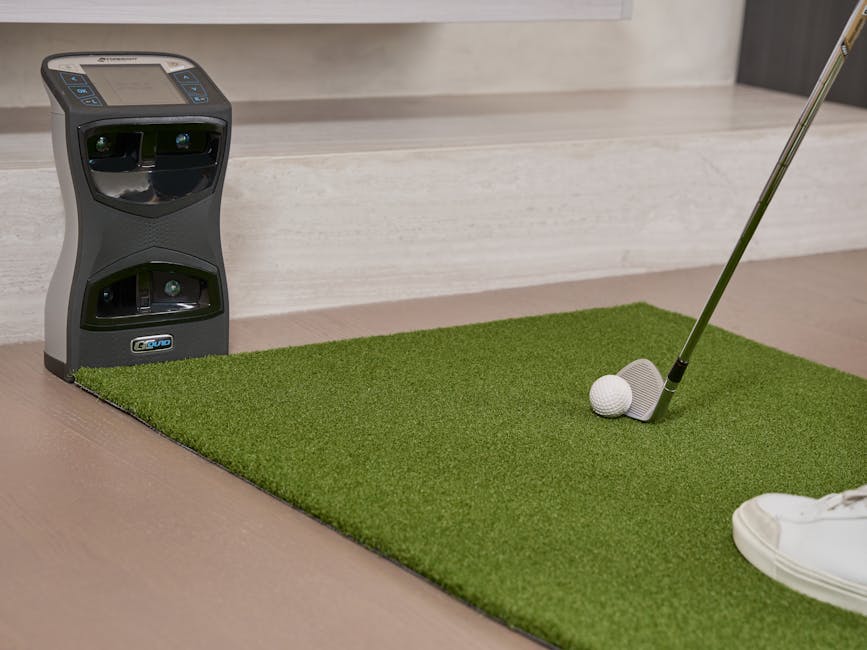
Pressure plates reveal that elite golfers achieve specific weight distribution patterns. At address, weight splits roughly 50-50 between feet. By the top of the backswing, 70-80% of weight loads onto the back foot. During the downswing, weight transfers forward, reaching 80-90% on the front foot at impact.
This sequential weight transfer generates power efficiently. Without proper pressure distribution, you lose clubhead speed and consistency. Pressure plate data shows exactly where your pattern deviates from optimal ranges.
The Backswing Weight Loading Phase
During the backswing, controlled weight movement loads your back leg. Your front foot should remain firmly planted while your back foot accepts increasing pressure. This creates the coiled tension needed for powerful downswing acceleration.
Pressure plates measure how much weight reaches your back foot at the top. Professional golfers typically show 70-80% back foot loading. Amateurs often show insufficient loading, limiting power generation and consistency.
- Proper loading occurs gradually over the first 75% of the backswing.
- Excessive lateral sway indicates poor pressure distribution and balance.
- The back foot should feel stable and grounded throughout the backswing.
- Front foot pressure remains light but maintains contact with the ground.
Key Takeaway: Optimal backswing weight loading concentrates 70-80% of pressure on your back foot, creating stored energy for the downswing.
The Downswing Transition and Forward Shift
The transition from backswing to downswing initiates the forward weight shift. This movement must occur in the correct sequence: lower body first, then torso, then arms. Pressure plates reveal timing issues that create swing inefficiencies.
At impact, elite golfers have 80-90% of their weight on the front foot. This forward positioning provides stability and allows the club to compress the ball effectively. Amateurs often retain too much weight on the back foot at impact, reducing power and accuracy.
The speed of weight transfer matters significantly. Too fast causes balance issues. Too slow limits power generation. Pressure plate analysis quantifies your transition timing precisely.
Key Takeaway: Proper downswing weight shift moves 80-90% of pressure to your front foot by impact, enabling maximum power and control.
What Does Pressure Plate Technology Reveal About Your Swing?
Pressure plates are force-sensing devices embedded in a mat. When you stand on them during your swing, they measure weight distribution in real-time. Data displays show your pressure patterns graphically, making abstract concepts concrete and measurable.
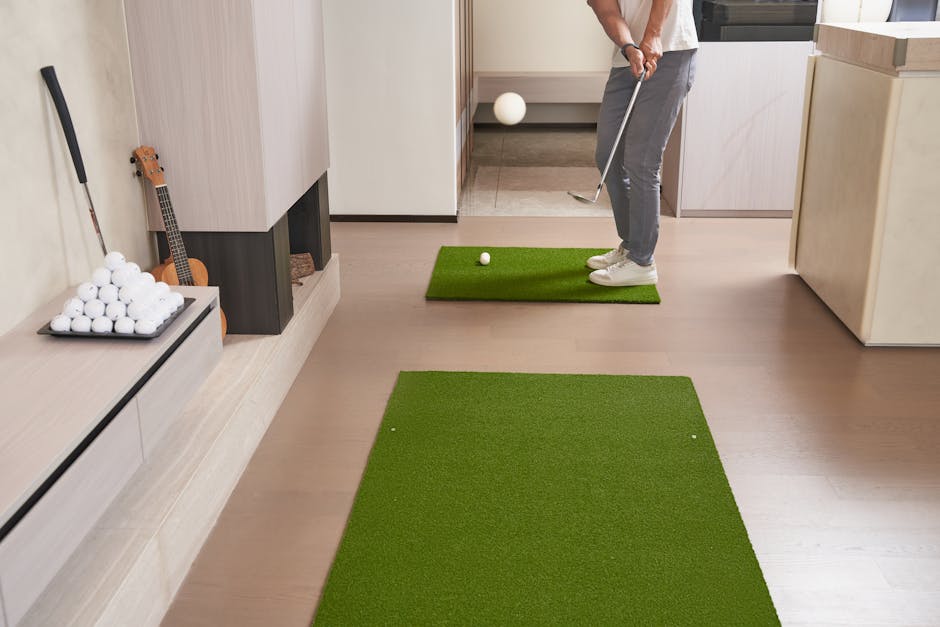
Modern systems provide instant feedback. You see exactly where your weight is at each swing phase. This visual feedback accelerates learning compared to traditional instruction methods. Golfers can make immediate adjustments and verify improvements through repeated measurements.
Real-Time Feedback and Data Visualization
Pressure plate systems display weight distribution as heat maps or graphs. Red areas indicate high pressure. Blue areas show light pressure. This visual representation makes weight shift patterns immediately understandable.
The data reveals asymmetries you cannot feel. Many golfers think they shift weight properly but pressure plates show otherwise. This objective feedback is invaluable for correcting ingrained swing flaws.
- Heat maps display pressure intensity across both feet in real-time.
- Graphs show weight percentage on each foot throughout the swing sequence.
- Comparison features overlay multiple swings to identify consistency patterns.
- Video integration syncs pressure data with swing footage for comprehensive analysis.
- Baseline metrics establish your current patterns before making changes.
Identifying Swing Flaws Through Pressure Data
Common pressure plate patterns reveal specific swing problems. Excessive lateral sway shows as weight moving too far outside your foot boundaries. Reverse weight shift appears as weight staying on the front foot during the backswing.
Swaying golfers show pressure moving toward the outside edges of their feet. This creates balance issues and inconsistent contact. Pressure plates quantify sway magnitude, helping you understand severity and track improvement progress.
Early extension shows as premature forward weight shift before the downswing completes. Pressure plates reveal this timing issue clearly, enabling targeted corrections.
Key Takeaway: Pressure plate data identifies specific swing flaws like swaying, reverse weight shift, and early extension through objective measurements.
How Can You Improve Your Weight Shift Using Pressure Plate Feedback?
Understanding your pressure plate data is the first step. The next step is implementing targeted drills that correct identified flaws. Pressure plates enable you to verify that corrections actually work through repeated testing.
Effective improvement requires consistent practice with immediate feedback. Pressure plate systems provide this feedback, accelerating skill development. Most golfers see measurable improvements within 3-4 weeks of focused practice.
Practical Drills for Weight Shift Improvement
Several proven drills address common weight shift problems. Single-leg drills force proper weight distribution by limiting options. Exaggerated shift drills help golfers feel correct movement patterns.
- Single-leg backswing drill: Practice backswings while standing on only your back leg to feel proper loading.
- Exaggerated weight shift drill: Deliberately shift weight forward during the downswing, then reduce the exaggeration gradually.
- Pressure plate mirror drill: Watch your pressure data while hitting balls, making micro-adjustments based on real-time feedback.
- Stability drill: Practice maintaining steady pressure on your front foot during the entire backswing to prevent sway.
- Sequential transfer drill: Focus on moving weight in the correct sequence: lower body first, then torso, then arms.
Creating a Personalized Training Plan
Your pressure plate baseline establishes your starting point. From this baseline, identify your primary flaw. Most golfers have one dominant issue: excessive sway, reverse weight shift, or poor sequencing.
Select one drill targeting your primary flaw. Practice that drill for two weeks with pressure plate feedback. Then measure your progress with a new pressure plate session. This systematic approach produces consistent improvement.
After correcting your primary issue, address secondary patterns. Gradual, focused improvement beats trying to fix everything simultaneously. Pressure plates track your progress objectively, maintaining motivation.
Key Takeaway: Systematic improvement using pressure plate feedback addresses one swing flaw at a time, producing measurable progress within weeks.
What Do Professional Golfers’ Pressure Plate Patterns Look Like?
Professional golfers demonstrate remarkably consistent pressure plate patterns. Their weight distribution is repeatable from swing to swing. This consistency correlates directly with their accuracy and distance control.
Tour-level players show 70-80% back foot weight at the top of the backswing. The transition moves weight forward smoothly. By impact, 80-90% of weight is on the front foot. This pattern is remarkably consistent across different clubs and shot types.
Amateur golfers show much greater variation. One swing might load 65% on the back foot, the next 75%. This inconsistency creates inconsistent ball striking. Pressure plates reveal this variability clearly.
- Professional patterns show smooth, gradual weight transitions throughout the swing.
- Weight distribution remains within predictable ranges from swing to swing.
- The transition initiates from the lower body, not the upper body or arms.
- Pressure remains stable through impact, preventing balance loss.
- Follow-through shows continued forward weight movement, completing the sequence properly.
Key Takeaway: Professional golfers demonstrate repeatable, consistent pressure plate patterns that amateur golfers can learn through targeted practice.
How Should You Integrate Pressure Plate Training Into Your Golf Practice?
Pressure plate training works best as a periodic assessment tool, not a daily practice requirement. Use pressure plates for baseline measurements, progress tracking, and troubleshooting specific issues. Between pressure plate sessions, practice with the insights gained from your data.
Most golfers benefit from pressure plate sessions every 4-6 weeks. This frequency provides sufficient feedback to track progress while avoiding unnecessary sessions. Some golfers use pressure plates monthly during intensive improvement periods.
Establishing Your Baseline and Setting Goals
Your first pressure plate session establishes your baseline. Record your weight distribution at address, top of backswing, transition, impact, and finish. These baseline measurements provide reference points for future improvement.
Set specific, measurable goals based on your baseline. Instead of vague goals like “better weight shift,” target specific improvements: “Increase back foot loading from 65% to 75%” or “Reduce lateral sway by 2 inches.”
Written goals maintain focus during practice. Pressure plate feedback validates progress toward these goals, maintaining motivation and direction.
Integrating Feedback Into Regular Practice
Between pressure plate sessions, practice with your insights. If pressure plates revealed excessive sway, focus on stability drills. If weight transfer timing is off, practice sequential movement drills.
Video your practice swings occasionally. Compare them mentally to the pressure plate data you received. This mental rehearsal reinforces correct patterns during practice.
Return to pressure plates after 4-6 weeks to measure progress. Successful improvement validates your practice approach. If progress is limited, adjust your drills or practice intensity.
Key Takeaway: Integrate pressure plate insights into periodic practice sessions, using baseline data to guide focused improvement between assessments.
Frequently Asked Questions
What is a normal weight shift percentage in golf?
Elite golfers load 70-80% of their weight on the back foot at the top of the backswing. At impact, they have 80-90% of their weight on the front foot. These percentages represent optimal power generation and control. Your personal numbers may vary slightly based on swing style and body type, but these ranges provide good targets.
Can pressure plate training improve my handicap?
Yes, pressure plate training correlates with handicap improvement. Studies show golfers who use pressure plate feedback improve their swing consistency and ball striking. Most golfers see measurable handicap improvements within 6-12 weeks of focused pressure plate training. Results depend on practice consistency and commitment to implementing feedback.
How much does pressure plate training cost?
Pressure plate sessions typically cost $50-150 per session at golf facilities offering this service. Some golf academies include pressure plate analysis in their instruction packages. Home pressure plate systems range from $200-2000 depending on sophistication. Many golfers find periodic professional sessions cost-effective compared to purchasing home equipment.
Is pressure plate training suitable for beginners?
Pressure plate training benefits golfers at all levels, but beginners should establish basic swing fundamentals first. Beginners with 6+ months of regular practice gain the most from pressure plate feedback. Very new golfers benefit more from traditional instruction before adding pressure plate analysis to their training.
How often should I use pressure plate training?
Most golfers benefit from pressure plate sessions every 4-6 weeks. This frequency provides sufficient feedback to track progress without unnecessary expense. During intensive improvement periods, monthly sessions accelerate development. Between sessions, practice with insights gained from your pressure plate data.
Can pressure plate training help with injury prevention?
Yes, proper weight shift reduces injury risk significantly. Pressure plates reveal patterns like excessive lateral sway and poor sequencing that stress joints. Correcting these patterns through pressure plate feedback reduces injury risk. Golfers with prior injuries benefit greatly from pressure plate analysis ensuring proper mechanics during recovery.
How Can Pressure Plate Weight Shift Training Transform Your Golf Game?
Pressure plate weight shift training represents a significant advancement in golf instruction. This technology transforms abstract concepts like weight shift into measurable, objective data. Golfers can see exactly where their weight moves throughout their swing, enabling precise corrections.
The benefits extend beyond simple improvement. Pressure plates build confidence through objective progress tracking. You see measurable improvements validated by data, not just subjective feel. This confidence accelerates skill development and maintains motivation through plateaus.
In June 2026, pressure plate technology is more accessible than ever. Golf academies, instruction apps, and home systems make this training available to golfers at all levels. The investment in pressure plate training typically pays dividends through improved consistency, distance, and lower scores.
Start with a baseline assessment at a local golf facility offering pressure plate analysis. Identify your primary weight shift issue. Commit to 4-6 weeks of focused practice targeting that issue. Return for a follow-up assessment to measure progress. This systematic approach produces consistent, measurable improvement in your golf game.
Key Takeaway: Pressure plate weight shift training provides objective feedback that accelerates improvement, builds confidence, and transforms your golf performance through measurable, data-driven progress.






Write Your Review
No reviews yet. Be the first to share your experience!