

What’s the Difference Between Short Throw and Standard Throw Projectors in 2026?
Short throw projectors display large images from just 3-5 feet away, while standard throw models require 8-15 feet of distance. The key difference lies in their optical design and throw ratio—a mathematical formula determining image size relative to projection distance. Short throw projectors use advanced lens systems to bend light more sharply, enabling them to fill a screen quickly. Standard throw projectors rely on traditional optics, requiring greater distance for the same image size. In 2026, both technologies have matured significantly, offering excellent image quality across price points. Your choice depends entirely on your room dimensions and installation flexibility.
Understanding throw ratio is essential for making the right decision. Throw ratio equals the distance from projector to screen divided by screen width. A 0.5 throw ratio (short throw) produces a 100-inch image from just 5 feet away. A 1.5 throw ratio (standard) needs 15 feet for the same 100-inch display. This fundamental difference reshapes your entire installation strategy.
Why Throw Ratio Matters for Your Setup
Throw ratio determines whether you can physically fit a projector in your space. In compact rooms, short throw projectors eliminate impossible mounting challenges. Standard throw models work better in larger spaces with deep viewing distances. Your ceiling height, wall length, and furniture placement all influence which technology suits you.
- Short throw: Ideal for rooms under 12 feet deep.
- Standard throw: Better for spaces 15+ feet from screen to back wall.
- Ultra-short throw: Mounts just 1-2 feet from screen for maximum space savings.
Key Takeaway: Throw ratio is the single most important specification when choosing between these projector types.
How Do Short Throw Projectors Compare on Brightness and Image Quality?
Short throw projectors in 2026 deliver brightness levels comparable to standard models, typically ranging from 2,500 to 4,500 ANSI lumens. However, their compact optical paths can reduce light transmission slightly, requiring careful brightness matching to your room environment. Image sharpness remains excellent across both technologies when properly calibrated. The real advantage of short throw models lies in their ability to minimize shadows cast by viewers standing between the projector and screen. This makes them superior for interactive presentations or spaces where people frequently move in front of the display.
Contrast ratios and color accuracy show no inherent advantage for either technology. Both short throw and standard throw projectors achieve 20,000:1 contrast ratios in premium models. The difference comes down to specific lens quality and internal color processing rather than throw distance. Modern 2026 projectors use identical DLP, 3LCD, or LCoS chip technology regardless of throw type.
Brightness Requirements by Room Type
Your room’s ambient light determines the minimum brightness needed. Dedicated dark rooms need 2,000-2,500 lumens. Rooms with moderate lighting require 3,000-3,500 lumens. Bright spaces need 4,000+ lumens. Short throw projectors can achieve these levels equally well as standard models.
- Dark dedicated rooms: 2,000-2,500 ANSI lumens sufficient.
- Moderate lighting: 3,000-3,500 ANSI lumens recommended.
- Bright spaces: 4,000-5,000 ANSI lumens required.
- Direct sunlight: 5,000+ ANSI lumens necessary.
Key Takeaway: Brightness performance is comparable between short and standard throw projectors; room lighting determines your actual needs.
What Are the Installation and Mounting Advantages of Each Type?
Short throw projectors excel in space-constrained installations where ceiling mounting near the screen is impossible. They mount on shelves, stands, or walls just feet from the display surface. This flexibility transforms small bedrooms and living rooms into projection spaces. Standard throw projectors require dedicated ceiling mounts in the room’s center or rear, demanding professional installation in many cases. If your room has low ceilings or limited depth, short throw becomes the only viable option.
Mounting complexity differs significantly between technologies. Short throw projectors often need specialized short throw brackets designed for their specific optical characteristics. Standard throw models work with universal ceiling mounts available everywhere. However, short throw installation typically requires less structural modification and fewer drilling requirements. For renters or those avoiding permanent changes, short throw’s flexibility offers substantial advantages.
Installation Considerations for Each Technology
Both require proper ventilation and heat management. Short throw projectors generate similar heat as standard models but in more compact housings. Ensure adequate airflow around the projector regardless of type.
- Short throw: Mounts closer to screen, requires specialized brackets.
- Standard throw: Needs ceiling or rear wall mounting, universal brackets available.
- Both: Require proper cable management and power access.
- Both: Need ventilation clearance of at least 6 inches on all sides.
For detailed mounting guidance, see our complete projector mounting installation guide covering both technologies.
Key Takeaway: Short throw projectors offer installation flexibility; standard throw requires more planning but uses standard mounting hardware.
How Do Costs Compare Between Short Throw and Standard Throw Models?
Short throw projectors typically cost 20-40% more than standard throw models with equivalent brightness and resolution. A solid 3,000-lumen standard throw projector costs $800-1,200, while comparable short throw models run $1,200-1,800. The premium reflects advanced optical engineering and specialized lens manufacturing. In 2026, this price gap has narrowed compared to previous years as short throw technology matures and production scales increase. Budget-conscious buyers should evaluate whether the installation flexibility justifies the additional expense.
Total installation costs often favor short throw projectors despite higher unit prices. Standard throw models frequently require professional ceiling installation ($300-800), additional mounting hardware ($100-300), and structural modifications. Short throw projectors mount on existing furniture or simple stands, reducing total project costs. When factoring in installation labor and materials, the price difference between technologies becomes less dramatic.
Price Breakdown by Technology
- Budget standard throw: $600-1,000 for 2,000-2,500 lumens.
- Mid-range standard throw: $1,200-2,000 for 3,000-3,500 lumens.
- Budget short throw: $1,000-1,500 for 2,500-3,000 lumens.
- Mid-range short throw: $1,800-2,800 for 3,500-4,000 lumens.
Key Takeaway: Short throw projectors cost more upfront but may save money when installation expenses are included.
Which Projector Type Works Best for Your Specific Needs?
Choose short throw projectors if your room measures less than 12 feet from back wall to screen location. Choose short throw if ceiling mounting is impossible or undesirable. Choose short throw if you want to avoid professional installation. Choose short throw if viewers will stand between the projector and screen regularly. Choose short throw if you rent your space and want a portable solution. These projectors transform small spaces into functional projection rooms.
Choose standard throw projectors if your room exceeds 15 feet in depth. Choose standard throw if you have a dedicated projection space with a clear ceiling. Choose standard throw if budget is your primary concern. Choose standard throw if you want maximum brightness and image size options. Choose standard throw if your space allows flexible mounting locations. Standard throw remains the most versatile option for large rooms.
Decision Matrix for Your Space
- Room depth under 10 feet: Short throw is essential.
- Room depth 10-15 feet: Short throw offers advantages.
- Room depth 15+ feet: Standard throw is optimal.
- Ceiling mounting impossible: Short throw is only option.
- Budget under $1,000: Standard throw only.
- Professional installation available: Either works equally well.
For resolution considerations alongside throw type, review our 4K versus 1080p projector comparison to make a complete purchasing decision.
Key Takeaway: Your room dimensions and installation constraints should drive your choice between these technologies.
What Practical Steps Should You Take Before Purchasing?
Measure your room precisely before shopping for either projector type. Measure the distance from your intended projector location to the screen wall. Measure ceiling height at the mounting location. Measure wall width where your screen will hang. These three measurements determine which technologies are physically viable. Next, calculate the required throw ratio using your room dimensions and desired screen size.
Pre-Purchase Checklist
- Measure room depth, ceiling height, and wall width in feet.
- Decide your desired screen size (80, 100, 120, or 150 inches).
- Calculate throw ratio needed: distance to screen ÷ screen width.
- Assess ambient light in your projection space.
- Determine your total budget including installation.
- Research brightness requirements for your lighting conditions.
- Check projector weight limits for your planned mounting location.
- Verify HDMI and power outlet locations near projector placement.
Visit a local electronics retailer to see both projector types in operation if possible. Many stores have demo areas where you can compare image quality and brightness directly. Watch sample content on both technologies to understand color reproduction and contrast differences. Ask staff about their customer satisfaction ratings for each type in your budget range.
Key Takeaway: Precise room measurements and clear budget parameters eliminate confusion during the selection process.
Frequently Asked Questions
Can short throw projectors display the same image size as standard throw models?
Yes, both can display identical screen sizes when given appropriate distance. A short throw projector creates a 100-inch image from 5 feet away. A standard throw projector creates the same 100-inch image from 15 feet away. The throw ratio determines distance-to-size relationship, not maximum capability. Both technologies achieve the same final display quality and brightness at comparable price points within their respective categories.
Are short throw projectors better for small rooms?
Short throw projectors are specifically designed for small rooms and spaces with limited depth. They eliminate the need for extensive ceiling-mounted installations. Standard throw projectors require more distance and typically won’t work well in compact spaces. If your room measures under 12 feet deep, short throw is your best option. For rooms larger than 15 feet, standard throw offers better value and more mounting flexibility.
Do short throw projectors have worse image quality than standard throw?
Image quality is comparable between modern short throw and standard throw projectors in 2026. Both use identical chip technology and color processing. Short throw’s compact optical path doesn’t inherently reduce quality. Premium models in both categories deliver excellent contrast, color accuracy, and sharpness. Your choice should focus on throw ratio and installation needs, not image quality differences between technologies.
What’s the difference between short throw and ultra-short throw projectors?
Ultra-short throw projectors mount just 1-2 feet from the screen, ideal for extremely compact spaces. Standard short throw models mount 3-5 feet away. Ultra-short throw costs more and offers maximum space savings. Choose ultra-short throw only if you have severe space constraints. Standard short throw provides better value for most residential installations.
Can I use a short throw projector with any screen type?
Short throw projectors work with all screen types including fixed, motorized, and portable screens. However, the screen must be positioned correctly relative to your projector’s throw distance. Measure your specific throw ratio before selecting a screen. Both short throw and standard throw projectors work equally well with modern ALR (ambient light rejecting) screens designed for bright environments.
Which projector type is better for golf simulators?
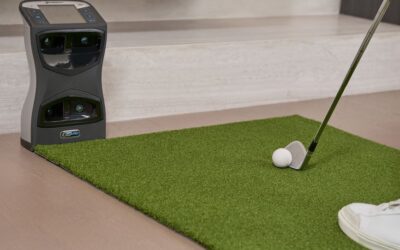
Short throw projectors excel in golf simulators due to space constraints in most home setups. They mount above the hitting area without blocking player movement. Standard throw projectors work but require more installation planning. For golf simulator installations, short throw technology offers superior practicality. See our mounting guide for detailed golf simulator installation approaches.
Which Projector Type Should You Choose for Your 2026 Setup?
The choice between short throw and standard throw projectors depends entirely on your room dimensions, installation constraints, and budget. Short throw projectors solve space problems in compact rooms, eliminating impossible mounting scenarios. They cost more upfront but reduce installation complexity and labor expenses. Standard throw projectors offer better value for large rooms with flexible ceiling mounting options. They provide maximum brightness options and universal compatibility with standard mounting hardware.
Measure your space precisely before making any purchasing decision. Calculate the throw ratio required for your desired screen size. Assess your ambient lighting conditions and brightness needs. Consider your total budget including installation costs, not just the projector price. Visit local retailers to compare image quality on both technologies. By following these practical steps, you’ll make an informed decision that perfectly matches your specific installation needs and budget constraints in 2026.
Both technologies deliver excellent image quality when properly configured. Your decision should prioritize installation feasibility and space utilization over minor performance differences. Whether you choose short throw or standard throw, you’ll enjoy a premium viewing experience that transforms your space into an entertainment destination.
Key Takeaway: Measure your room, calculate throw ratio requirements, and prioritize installation feasibility when choosing between these projector technologies.



Write Your Review
No reviews yet. Be the first to share your experience!